


Fuel Cycle
6 min read
The nuclear fuel cycle starts with the mining of uranium ore and the subsequent extraction of uranium. If required, the uranium is then enriched and used to manufacture nuclear fuel. The reactor is loaded with the fuel, which remains in the core for several years and generates energy by nuclear fission. After removal from the reactor, the spent fuel is initially stored to allow its heat output and radioactivity to decrease. It may subsequently be reprocessed to recover uranium and plutonium for use in fresh fuel, forming a “closed fuel cycle”, or ultimately disposed of without reprocessing in what is known as an “open” or “once-through” fuel cycle.
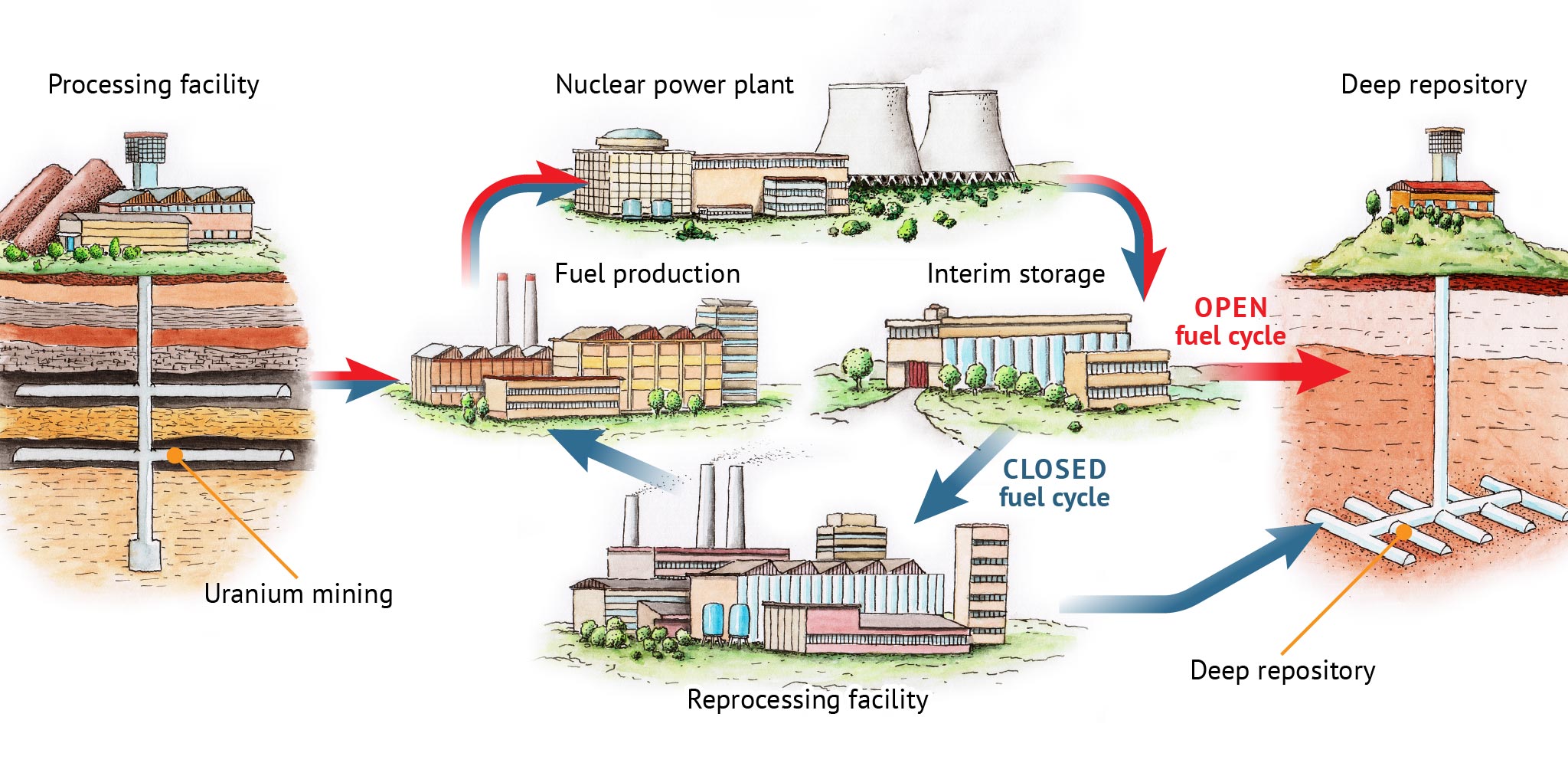
Schematic diagram of the nuclear fuel cycle.
Free Downloads › Images / Fuel cycle Fuel cycle (vector format)
Mining and Production
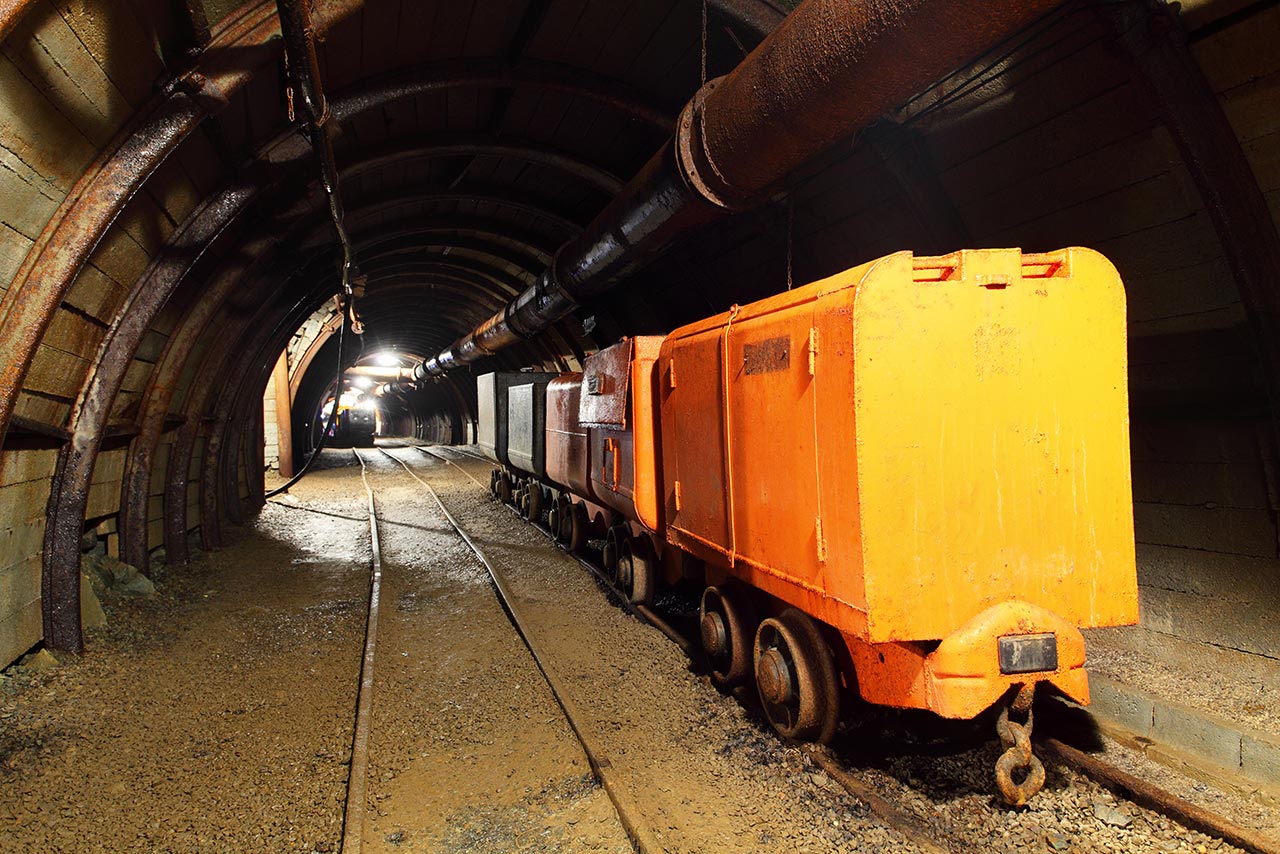
In principle, underground mining of uranium does not differ significantly from the mining of other polymetallic ores. Its subsequent processing and use in the nuclear fuel cycle, however, are quite different.
Uranium ore is mined and processed to produce uranium concentrate. For most reactor fuels, the uranium is then converted to uranium hexafluoride (UF6) and enriched to increase the concentration of 235U, typically to about 3—5%. The enriched UF6 is converted to uranium dioxide (UO2) powder, which is pressed into pellets and sintered at high temperature. The pellets are inserted into zirconium-alloy cladding tubes to form fuel rods. These rods are arranged into fuel assemblies, which are loaded into the reactor core where nuclear fission releases energy during reactor operation.
The Nuclear Reactor
Nuclear fuel typically remains in a power reactor for several years. In PWRs, only part of the fuel is replaced during each refueling outage, while some of the remaining fuel assemblies may be repositioned within the reactor core. This helps achieve a more even distribution of fuel burnup and maintain the desired distribution of power and neutron flux within the core.
A typical 1,000 MWe reactor contains about 75 tonnes of uranium in its core. The high-level waste arising from reprocessing one year’s discharged fuel can be incorporated into approximately five tonnes of glass.
Spent Fuel
When fuel is removed from a reactor after reaching the end of its useful irradiation period, it is referred to as spent or used nuclear fuel. It still contains most of its original uranium as well as plutonium produced during reactor operation, both of which can potentially be recycled. In breeder reactors, more fissile material can be produced than is consumed: fertile 238U captures neutrons and is progressively transformed into fissile 239Pu.
Interim Storage
After removal from the reactor, spent fuel is highly radioactive and continues to generate significant heat through radioactive decay. It is therefore initially stored under water in a spent fuel pool, where the water provides both cooling and radiation shielding. As its radioactivity and decay heat gradually decrease, the fuel may remain in wet storage or, after several years, be transferred to a dry interim storage facility. Depending on national policy, it may eventually be reprocessed or prepared for final disposal.
Reprocessing
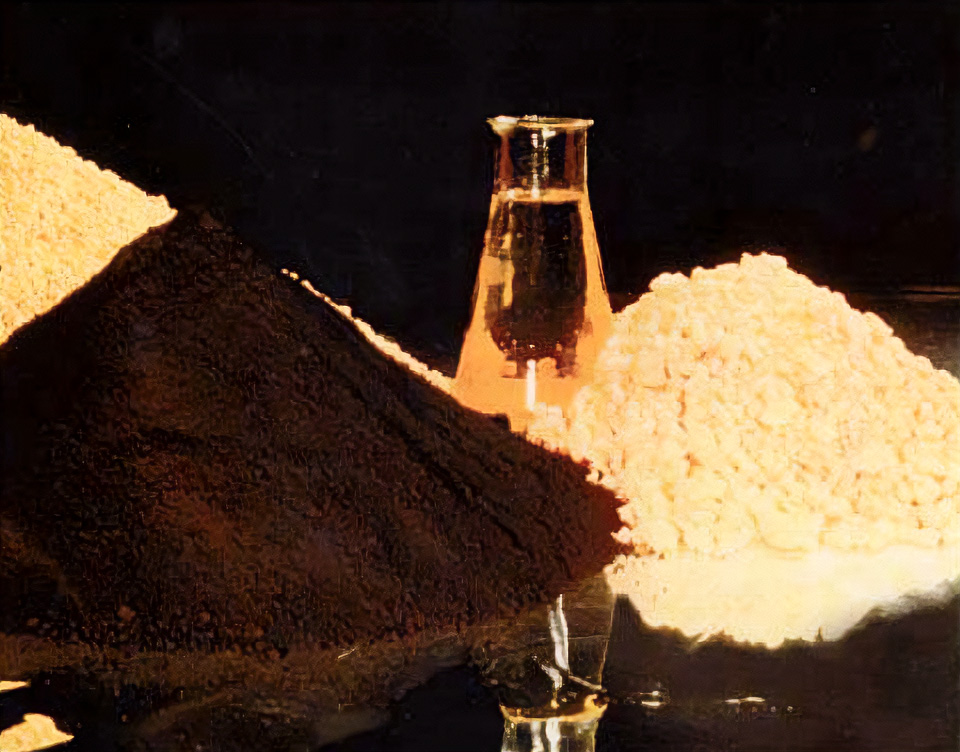
Several intermediate uranium compounds are produced during the processing of uranium concentrate (yellowcake) into uranium hexafluoride for enrichment and subsequently into uranium dioxide for nuclear fuel fabrication.
There are several reasons for reprocessing spent nuclear fuel. Reprocessing recovers uranium and plutonium that can be recycled into fresh nuclear fuel, allowing approximately 25—30% more energy to be obtained from the original uranium. It also substantially reduces the volume of high-level waste requiring disposal, although highly radioactive fission products and other long-lived radionuclides still require long-term management. Spent fuel typically contains about 96% uranium and around 1% plutonium, with most of the remainder consisting of fission products and minor actinides. The recovered plutonium can be used to manufacture mixed oxide (MOX) fuel, while recovered uranium may be converted and re-enriched for reuse in uranium fuel.
Closed and Open Cycle
If spent fuel is reprocessed and the recovered uranium and plutonium are recycled into fresh fuel, the system is referred to as a closed fuel cycle. In conventional thermal reactors, repeated recycling of plutonium is limited by changes in its isotopic composition, while advanced fuel cycles using fast reactors could allow much more extensive recycling of uranium, plutonium and other actinides. If spent fuel is not reprocessed but is ultimately intended for direct disposal, the system is known as an open or once-through fuel cycle.
Advanced fuel-cycle concepts also investigate the partitioning and transmutation of long-lived actinides. Fast reactors or accelerator-driven systems could potentially transmute some of these radionuclides into shorter-lived or stable isotopes while also releasing energy.
Since the beginning of civil nuclear power generation, about 430,000 tonnes of spent fuel have been produced worldwide, of which approximately 30% has been reprocessed.
Final Disposal
Highly radioactive waste, whether spent nuclear fuel intended for direct disposal or high-level waste from reprocessing, must be isolated from the environment for very long periods. Deep geological disposal is internationally regarded as an appropriate solution for the long-term management of such waste. Repositories are designed to isolate the waste hundreds of metres underground using a combination of engineered barriers and stable geological formations. Several countries are developing deep geological repositories, with Finland’s ONKALO facility among the most advanced projects. Advanced technologies such as partitioning and transmutation could reduce the quantities and long-term radiotoxicity of some components of nuclear waste, but they would not eliminate the need for geological disposal.


Robie, your AI assistant