


Natural Sources
6 min read
Natural sources of ionising radiation are present throughout our environment. Naturally occurring radionuclides are found in soil, air, water, food and even in the human body, while cosmic radiation reaches the Earth from space. Exposure from these sources is collectively referred to as natural background radiation. The worldwide average annual effective dose from natural sources of radiation is approximately 3.0 mSv, although individual doses vary considerably depending on location and living conditions. Human-made sources also contribute to radiation exposure, with medical uses of ionising radiation representing by far the largest contribution.
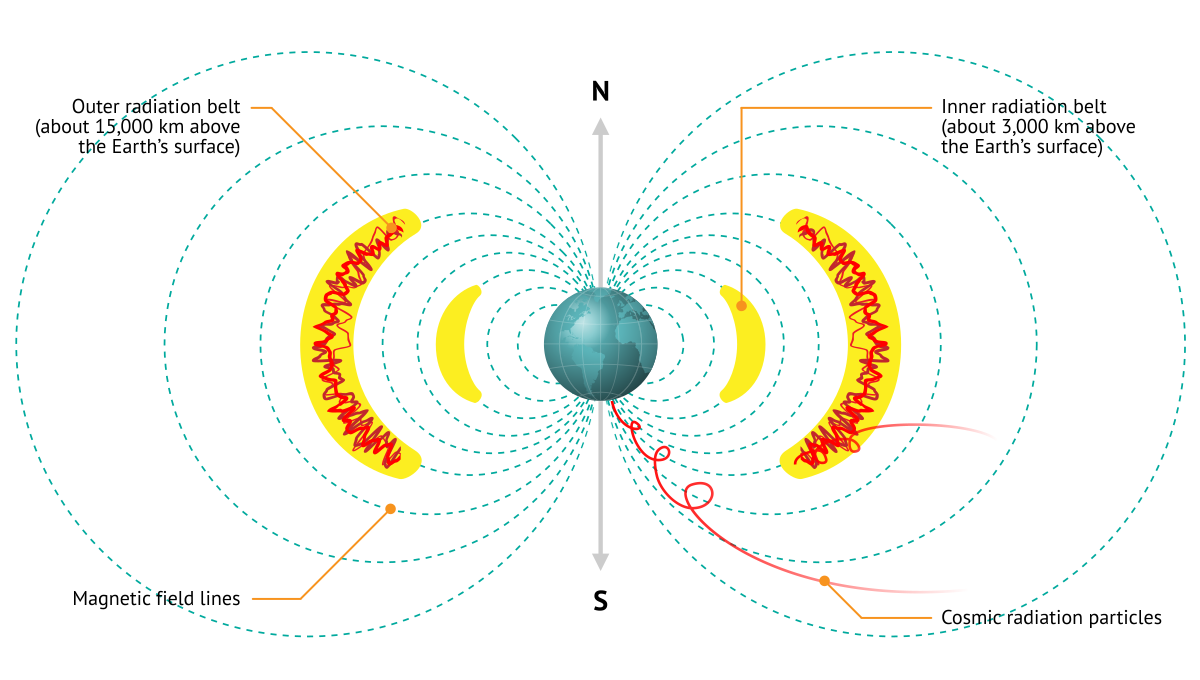
Schematic diagram of the Van Allen radiation belts and the Earth’s magnetic field.
Natural background radiation varies according to where we live. At higher elevations, exposure to cosmic radiation is greater because there is less atmosphere above us to provide shielding. The concentration of naturally occurring radionuclides also varies between different types of rocks and soils. Local geology, particularly the presence of uranium and radium, can significantly influence radon concentrations in the air, especially inside buildings.
The worldwide average annual effective dose from natural sources of radiation is approximately 3.0 mSv, with average doses in different locations ranging from about 1 to 14 mSv per year.
Cosmic radiation reaching the Earth’s atmosphere interacts with atomic nuclei and produces showers of secondary particles. Many charged cosmic-ray particles are deflected by the Earth’s magnetic field.
Cosmic Radiation
Cosmic radiation reaches the Earth from the Sun and from more distant astrophysical sources. Primary cosmic radiation consists mainly of high-energy protons and atomic nuclei. The Earth’s magnetic field deflects many charged particles, while the atmosphere provides additional shielding. When sufficiently energetic primary particles collide with nuclei in the upper atmosphere, they produce cascades of secondary particles, some of which reach the Earth’s surface. Exposure to cosmic radiation therefore depends strongly on altitude and also varies with geomagnetic latitude. The worldwide average annual effective dose from cosmic radiation is approximately 0.3 mSv.
Air
Video: Entry of radon from the ground into residential buildings.
Air can contain the naturally occurring radioactive gas radon. The isotope 222Rn is formed in the 238U decay series, while 220Rn, commonly known as thoron, is formed in the 232Th decay series. 222Rn has a half-life of about 3.8 days and 220Rn about 56 seconds; both undergo alpha decay.
Radon is a noble gas and can migrate through soil and enter buildings through cracks and other openings. Its concentration can become considerably higher indoors, particularly in poorly ventilated buildings. Radon entry from the ground can be reduced by appropriate building design, including radon-resistant barriers and sub-slab ventilation systems. Radon exposure varies greatly depending on local geology, building construction and ventilation.
The worldwide average annual effective dose from inhalation of radon, thoron and their decay products is approximately 1.8 mSv.
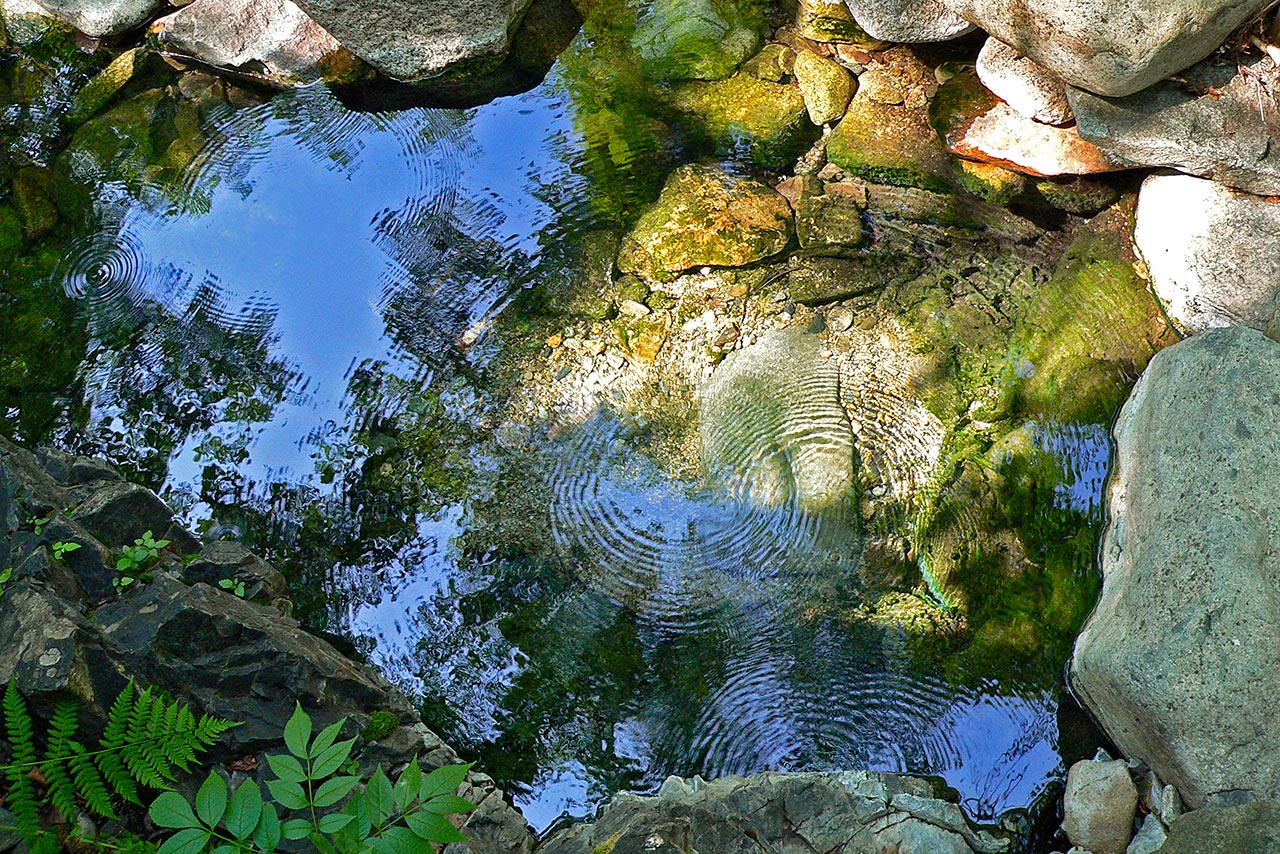
A spring containing naturally occurring radon used at a radon spa. Radon can enter groundwater as it passes through rocks containing uranium and radium.
Soil
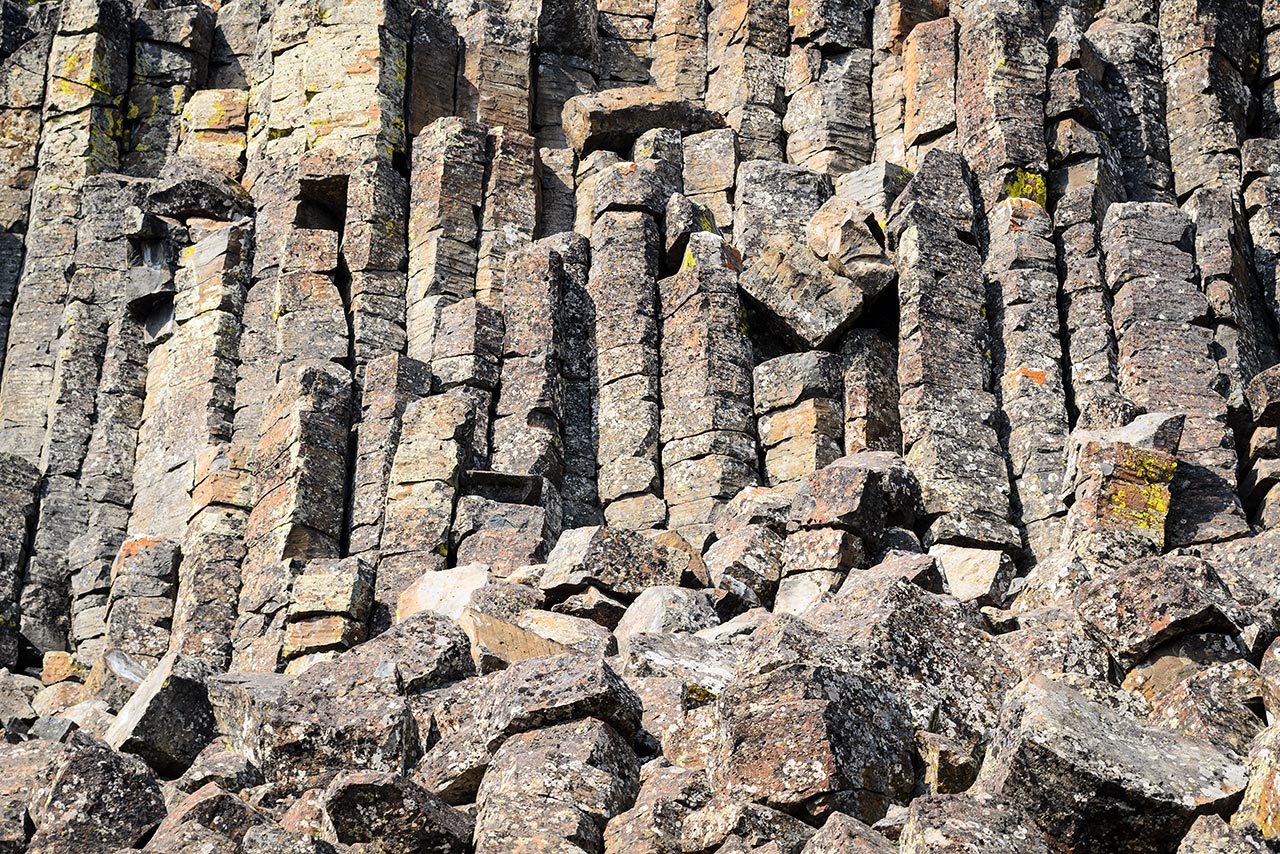
Almost all rocks and soils contain some naturally occurring radionuclides, including isotopes in the uranium and thorium decay series as well as 40K. Their concentrations vary considerably with geology. Granitic rocks, for example, commonly contain higher concentrations of uranium and thorium than many other rock types. Building materials made from natural minerals also contain small amounts of radionuclides and therefore contribute to external terrestrial radiation exposure. The worldwide average annual effective dose from external terrestrial radiation is approximately 0.4 mSv.
Food and Drink
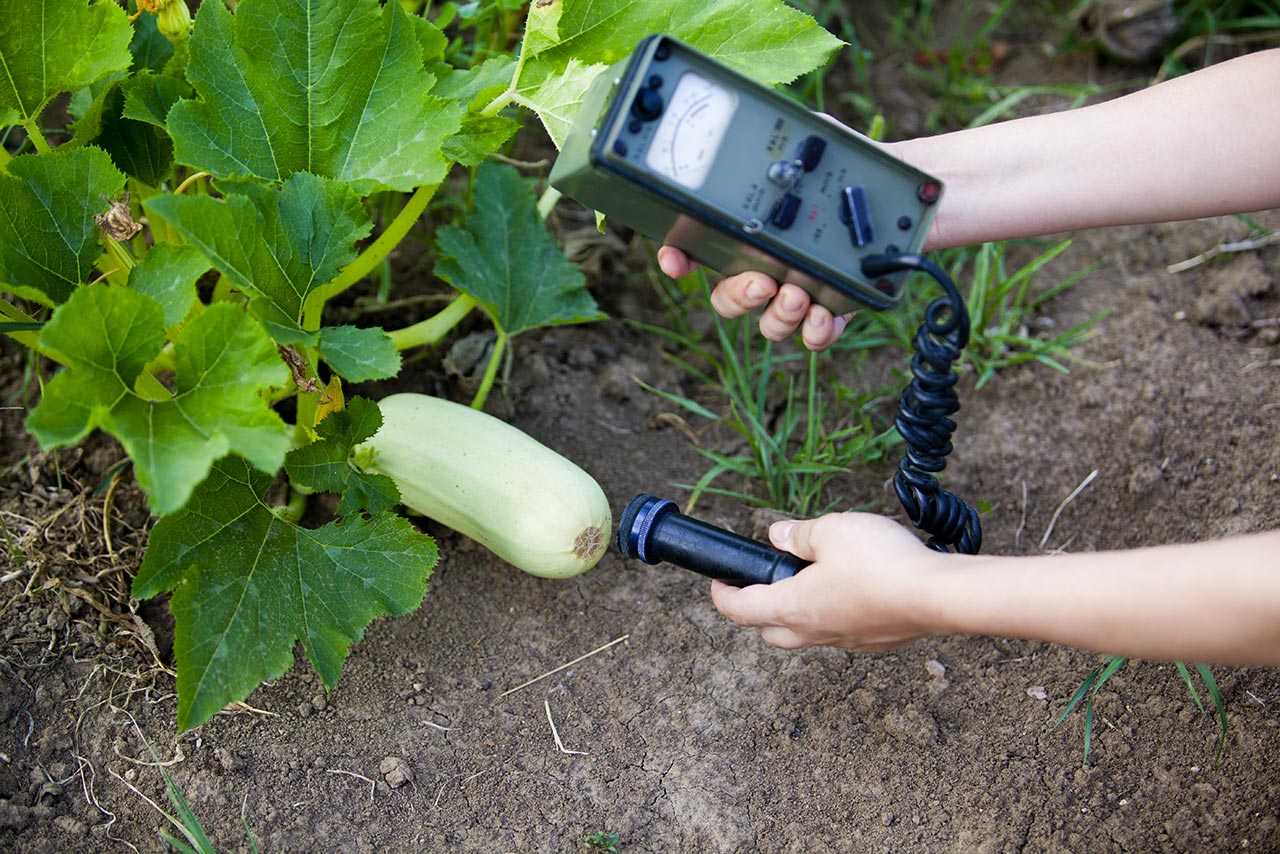
Measuring radioactivity levels in agricultural produce.
Naturally occurring radionuclides enter the food chain through soil, water and the atmosphere. Important examples include 40K, 14C and radionuclides belonging to the uranium and thorium decay series. Plants incorporate carbon, including naturally occurring 14C, from atmospheric carbon dioxide and absorb other elements from soil and water. Animals and humans subsequently take in these radionuclides through food and drink. Their concentrations vary between different foods and geographical areas, and some organisms can accumulate particular radionuclides more effectively than others. The worldwide average annual effective dose from ingestion of naturally occurring radionuclides is approximately 0.5 mSv.
Human Body
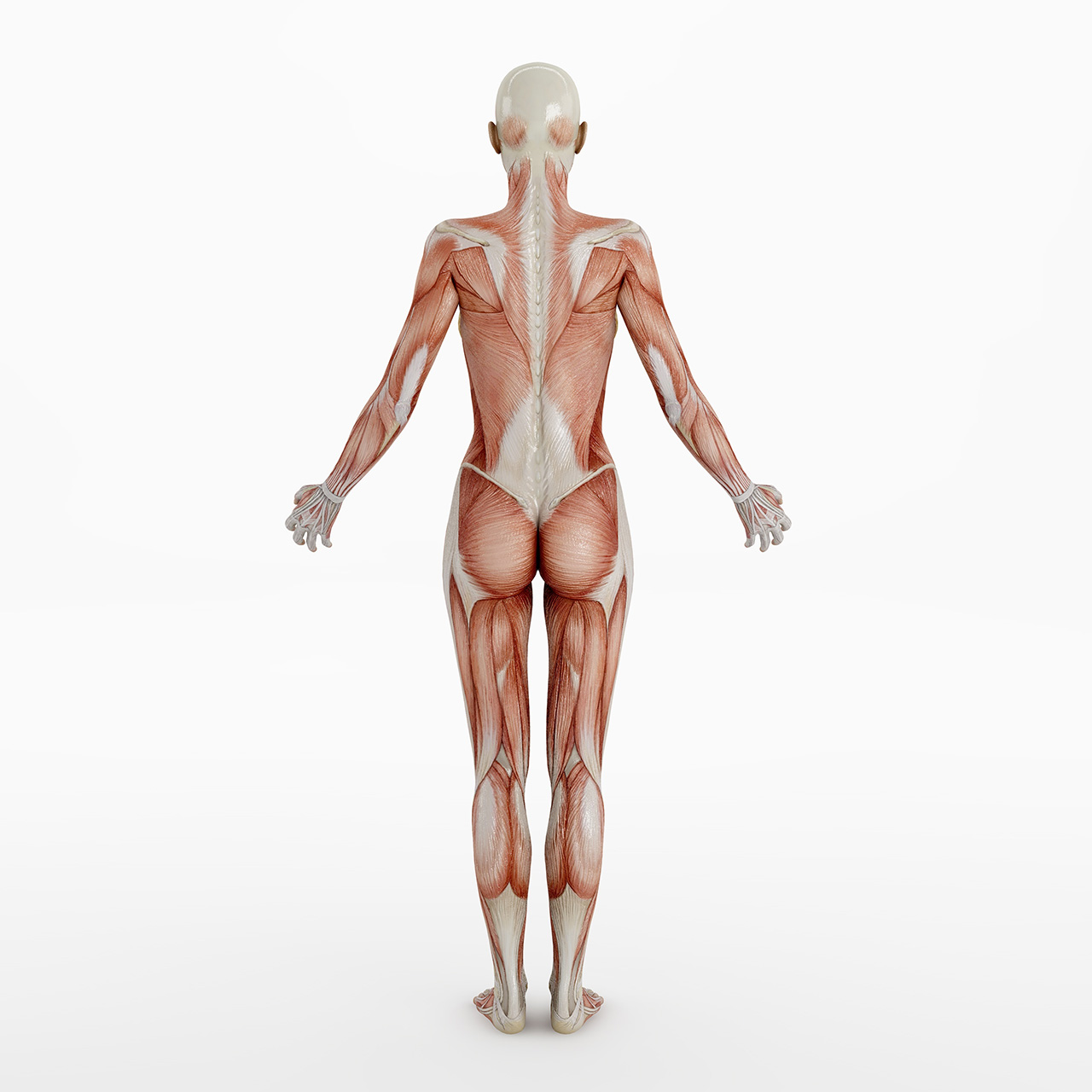
The human body naturally contains small amounts of radioactive isotopes, particularly 40K and 14C.
Carbon and potassium are essential elements in the human body, and both occur naturally in radioactive as well as stable forms. The most important naturally occurring radionuclides present in the body include 14C and 40K, together with smaller amounts of other radionuclides. Thousands of radioactive decays therefore occur naturally within the human body every second. These radionuclides are continuously taken in through food, water and air and form part of our natural internal radiation exposure.
In some regions of the world, natural background radiation is many times higher than the global average because of local geology. Well-known high-background areas include Ramsar in Iran and Guarapari in Brazil. In exceptional locations, annual doses from natural sources can exceed 100 mSv.

8 pictures

8 pictures


Robie, your AI assistant