


The Physical Properties of Water
1 min read
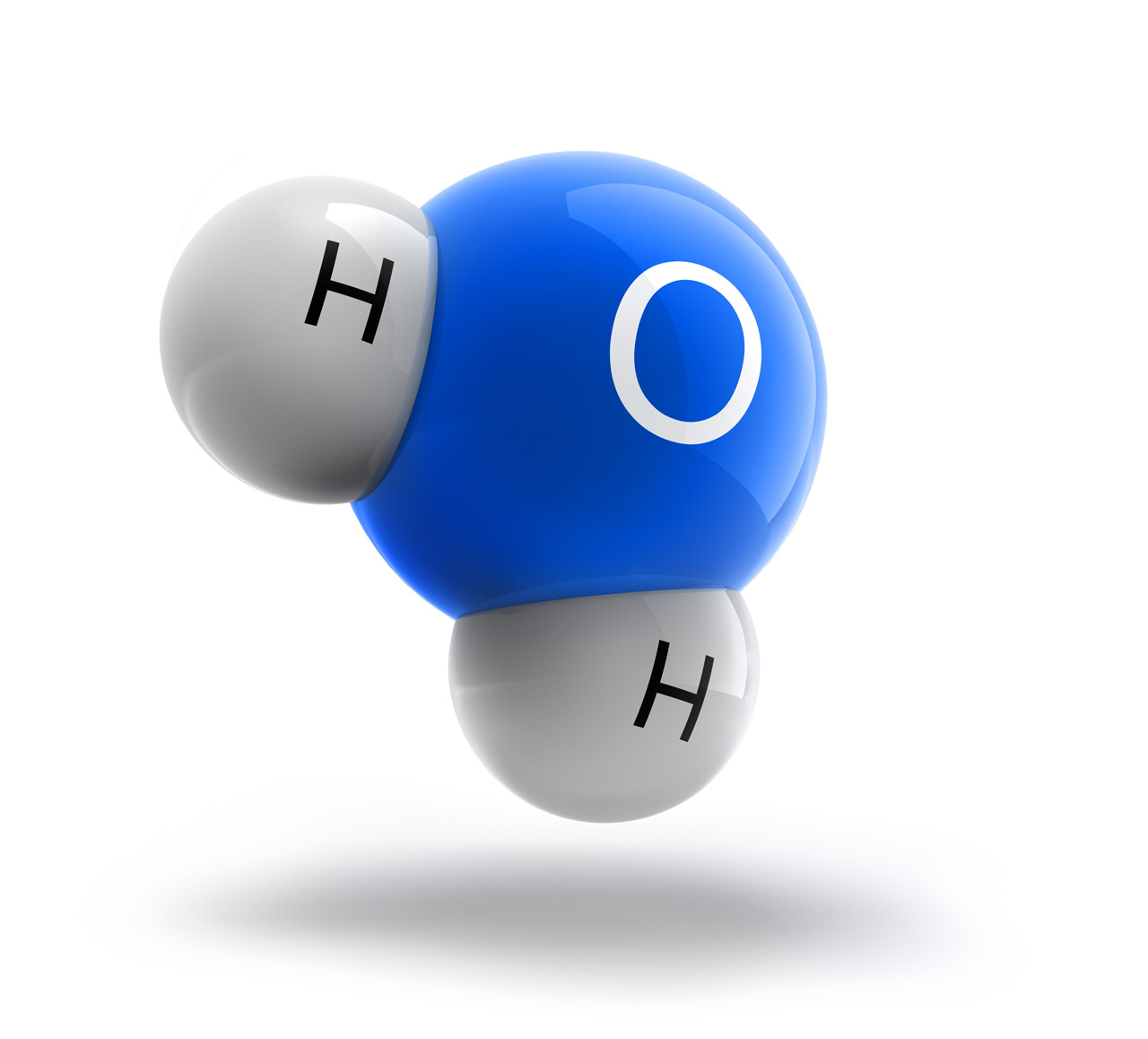
Water molecule H₂O. A water molecule consists of two hydrogen atoms and one oxygen atom.
Molecule of water
Water is a chemical compound made of hydrogen and oxygen.
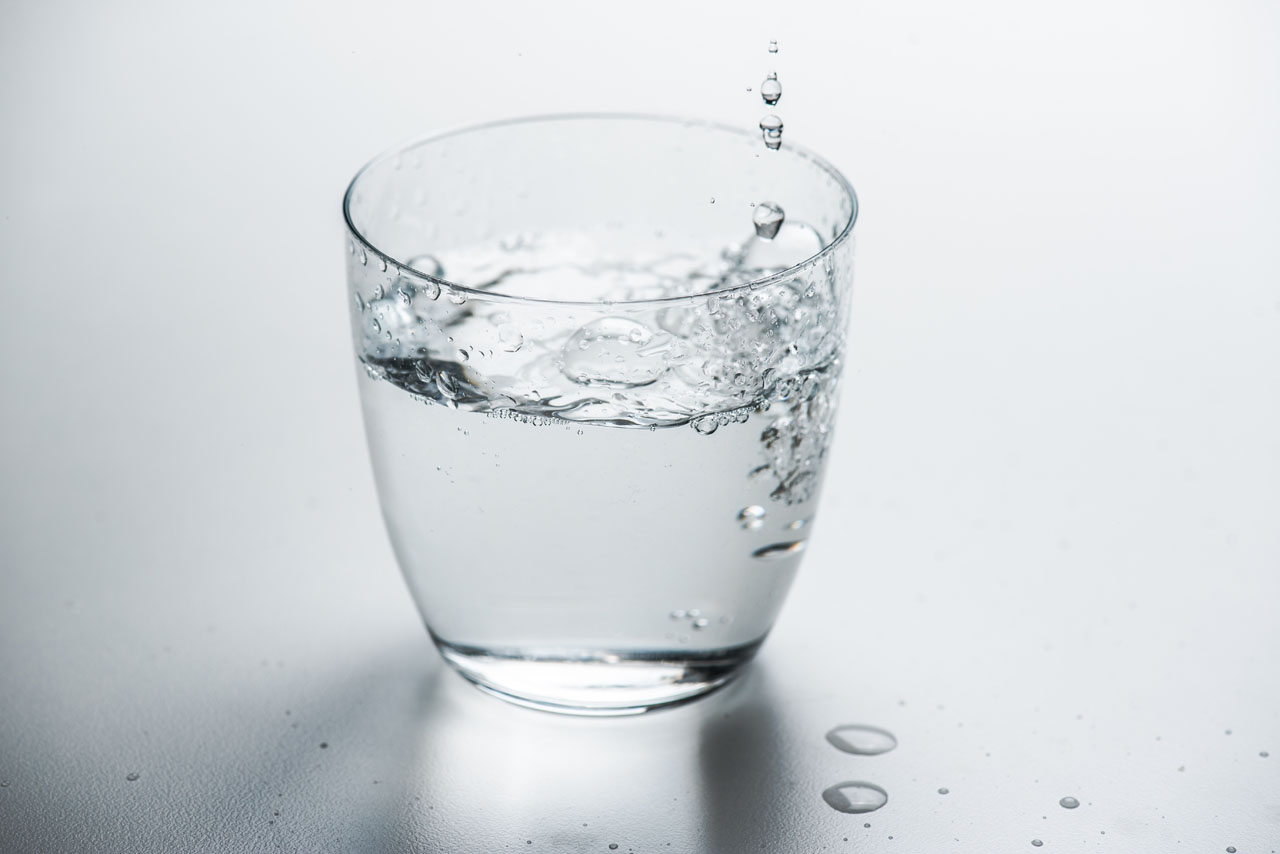
At room temperature and atmospheric pressure, it is a colourless, clear and odourless liquid.
In nature, it is found in three states:
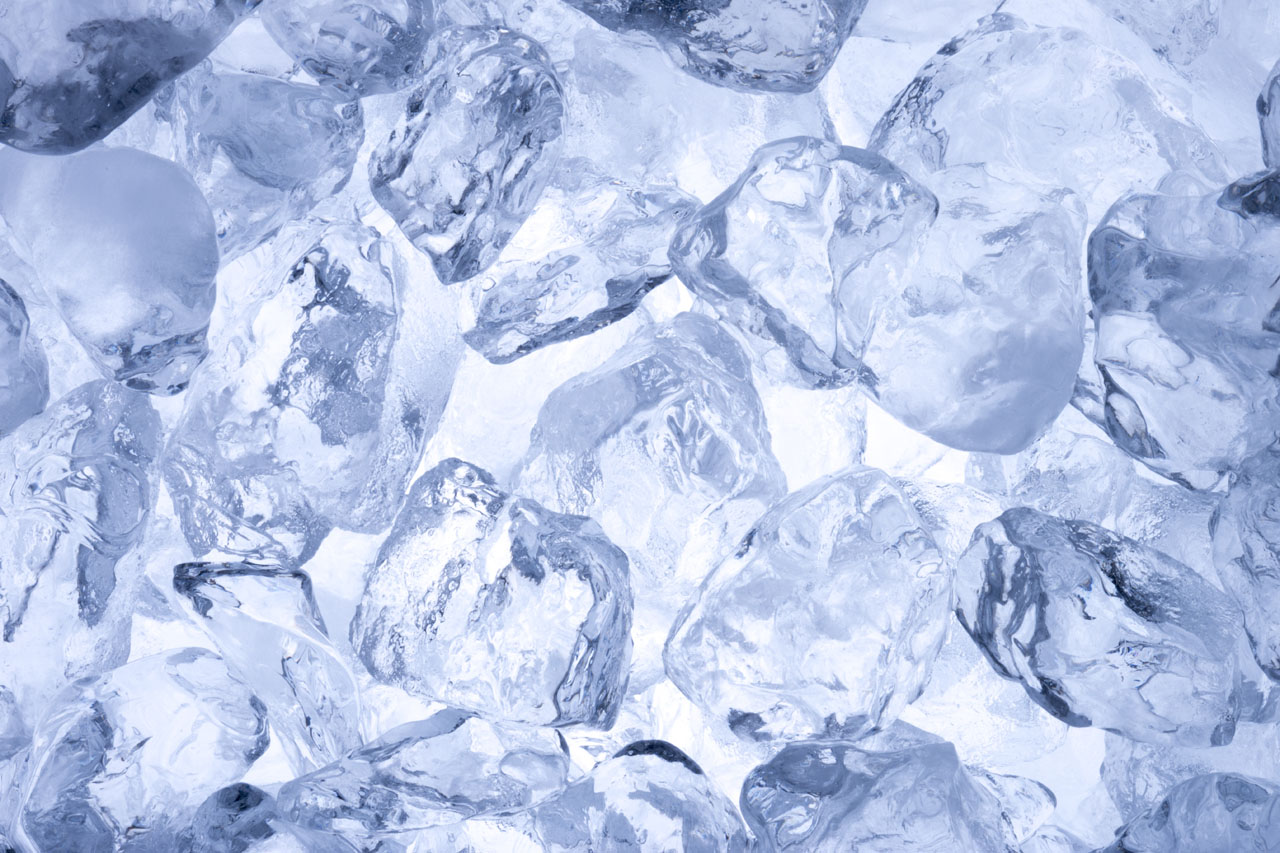
- solid — ice and snow
- liquid — water
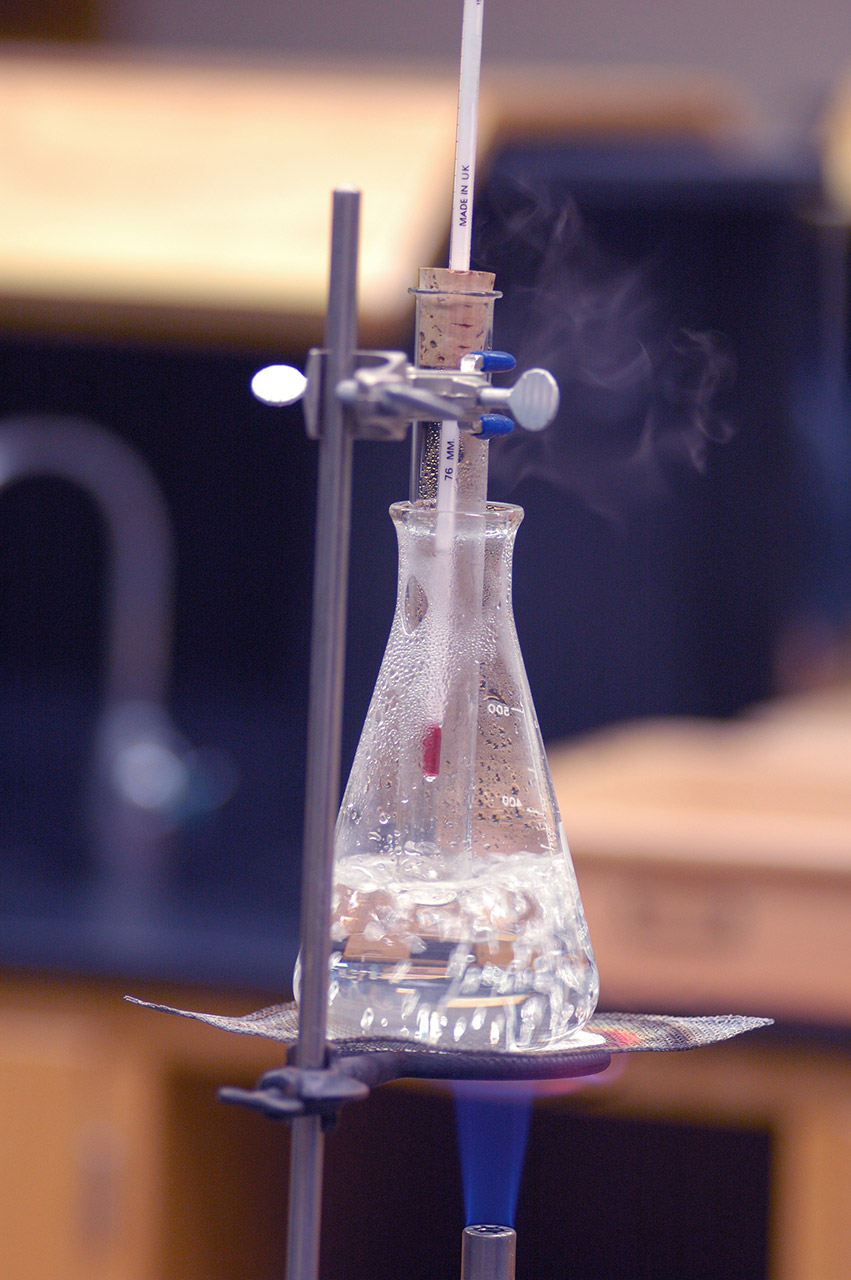
- gas — water vapour
| Molar mass | 18.01528 g/mol |
| Melting temperature | 0 °C (at atmospheric pressure) |
| Boiling temperature | 100 °C (at atmospheric pressure) |
| Density | 0.99997 g/cm³ (at 3.98 °C) |
| Viscosity | 0.001 Pa·s (at 20 °C) |
| Refraction index | 1.33 |
| Critical temperature | 373.95 °C |
| Critical pressure | 22.064 MPa |
| Surface tension | 0.073 N/m (20 °C) |
| Sound velocity, roughly | 1,460 m/s |
| Specific heat coefficient | 4,184 J/(kg·K) (liquid water at 20 °C) |

5 pictures
5 pictures


Robie, your AI assistant