


The Segner Wheel
2 min read
Johann Andreas Segner
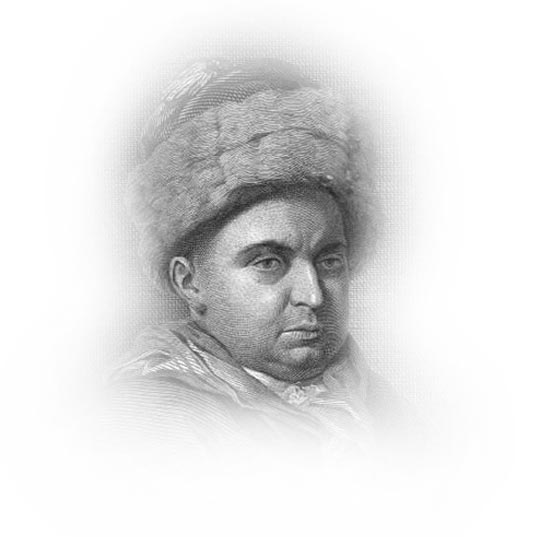
Johann Andreas Segner
9. 10. 1704, Pressburg (now Bratislava, Slovakia)
5. 10. 1777, Halle, Prussia (now Germany)
Johann Andreas Segner (also known as János András Segner or Ján Andrej Segner) was a physicist, physician, mathematician and inventor whose work made an important contribution to the development of water turbines. In 1750 he published works describing his hydraulic reaction wheel; his later work Specimen theoriae turbinum appeared in Halle in 1755. Probably his best-known invention in this area is the so-called Segner wheel (1750).
The Segner Wheel
The whole design is basically a cylindrical vessel filled with water with several pipes at the bottom, stretching radially outwards, with nozzles on the ends that are all bent in the same direction. As water flows through the vessel and exits through the nozzles, the reaction force causes the vessel to rotate in the direction opposite to the exiting water jets. Although this machine never came into widespread use, it was an important step in the development of modern water turbines.
Further improvements to the Segner wheel were proposed by the mathematician Leonhard Euler, who also developed its theoretical principles further. One of the first practical applications of the Segner wheel was to drive an oil press in a mill near Göttingen.

A rotating garden sprinkler driven by the reaction force of water jets.
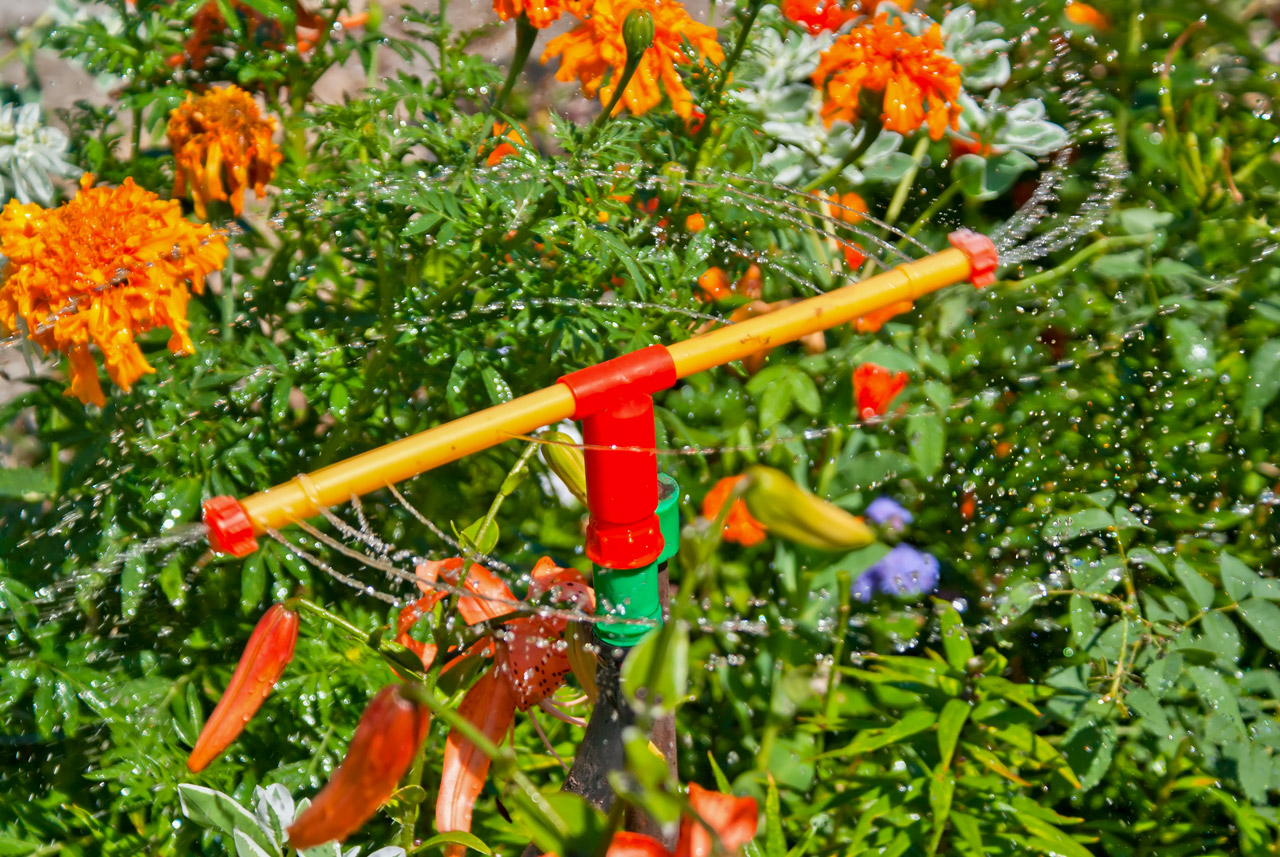
A simple rotating sprinkler with water jets producing the torque that turns its horizontal arm.
The principle of the Segner wheel is still used today in garden sprinklers.


Robie, your AI assistant