


Nuclear Power Plants and the Environment
3 min read
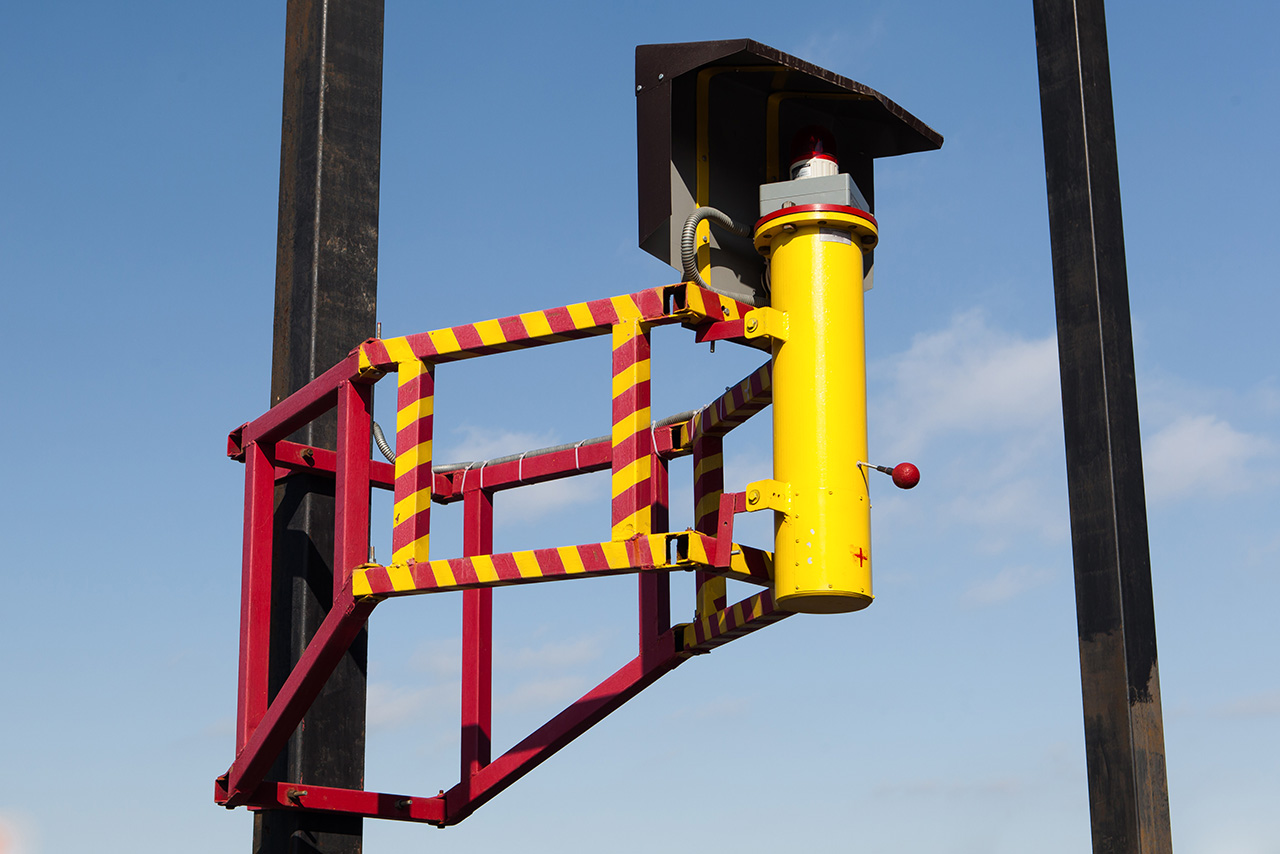
Radiation levels around nuclear power plants are continuously monitored using fixed and portable radiation monitoring systems to ensure the protection of workers, the public and the environment.
A safely operated nuclear power plant has a relatively low environmental impact during normal operation. Nuclear reactors generate electricity without burning fossil fuels and therefore produce virtually no direct greenhouse gas emissions during operation. Considering the entire life cycle, including uranium mining, fuel production, construction and decommissioning, nuclear power is a low-carbon source of electricity. Nuclear power plants produce radioactive waste, most of which is carefully collected, treated, conditioned and isolated from the environment. Small, controlled releases of radioactive substances in gaseous and liquid effluents are permitted within strict regulatory limits and are continuously monitored.
Nuclear power plant operators are generally required to make financial provisions for the future management and disposal of radioactive waste and spent nuclear fuel, as well as for the decommissioning of the plant. The exact financing system differs between countries and may include dedicated funds, levies or financial reserves accumulated during the operating life of the facility.
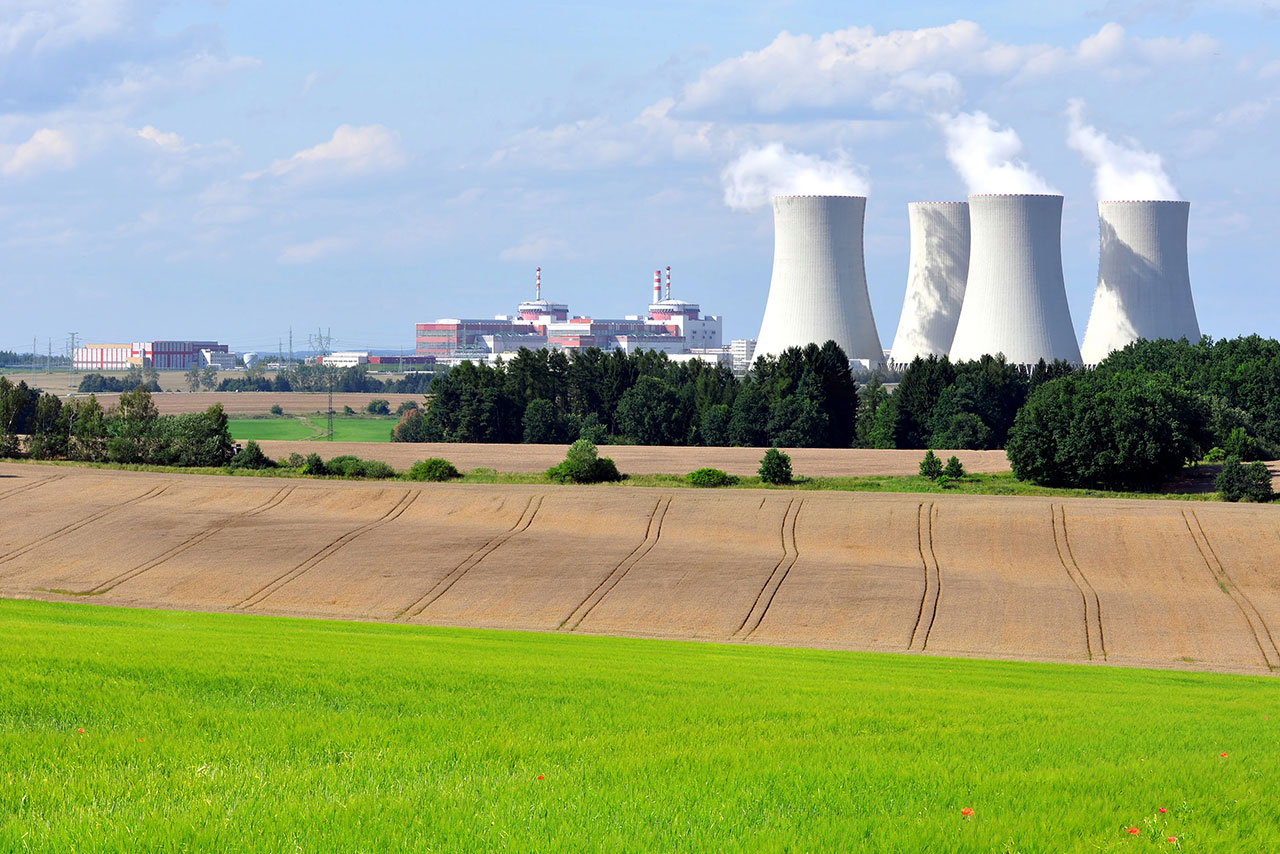
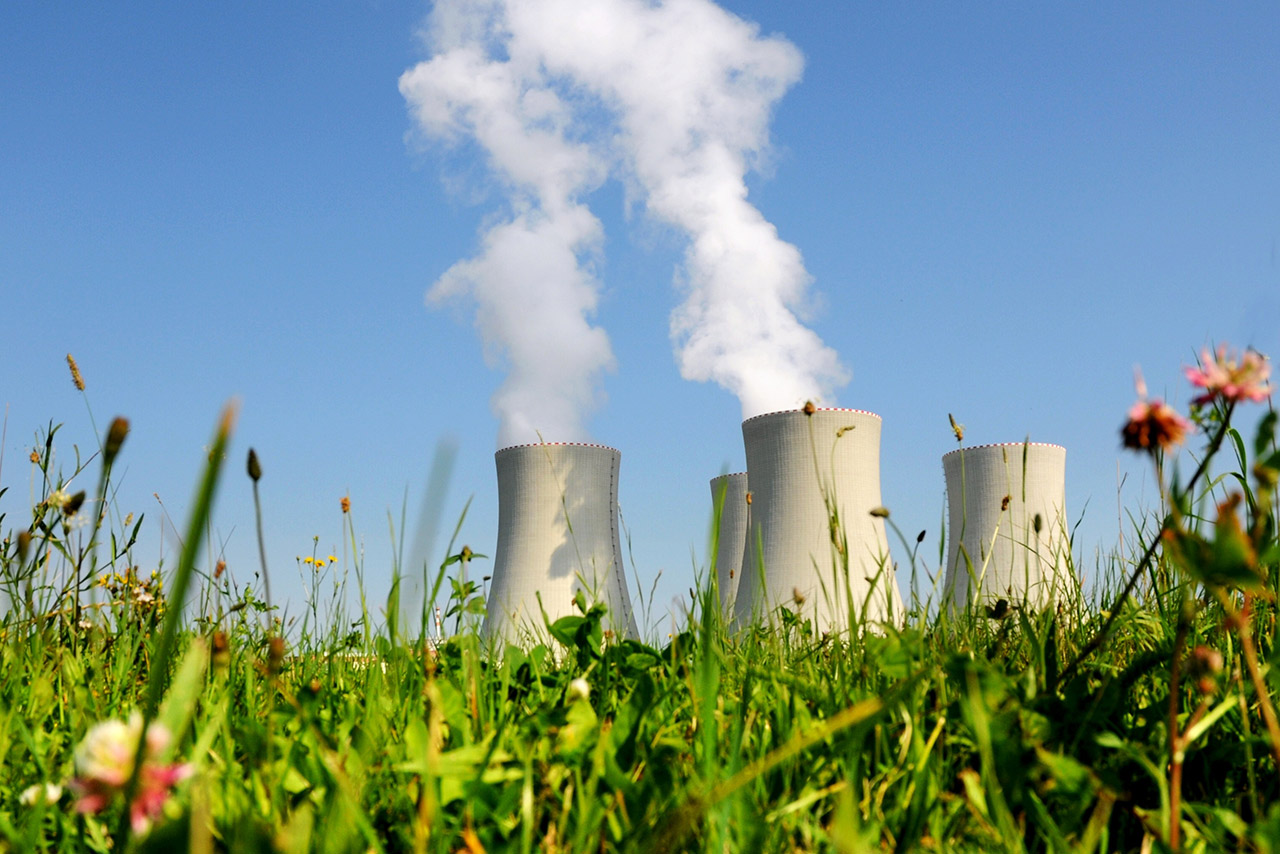
The two units of the Temelín Nuclear Power Plant are located in the South Bohemian countryside. The plant and its surroundings have been subject to continuous environmental and radiation monitoring since operation began. Nuclear reactors generate electricity without burning fossil fuels and therefore produce virtually no direct CO2 emissions during operation.
Nuclear power has a strong safety record, and serious accidents have been rare compared with the large amount of electricity generated worldwide. However, a major accident involving a significant release of radioactive material can contaminate the environment and require protective measures or restrictions over large areas for extended periods. For this reason, nuclear power plants are designed according to the defence-in-depth principle, using multiple physical barriers and redundant and diverse safety systems to prevent accidents and mitigate their consequences.
Life-cycle assessments show that nuclear power has greenhouse gas emissions comparable with those of other low-carbon electricity sources and far below those of fossil-fuel generation. Its environmental advantages therefore include not only low operational emissions, but also the very high energy density of nuclear fuel and the relatively small amount of fuel required to generate large quantities of electricity.
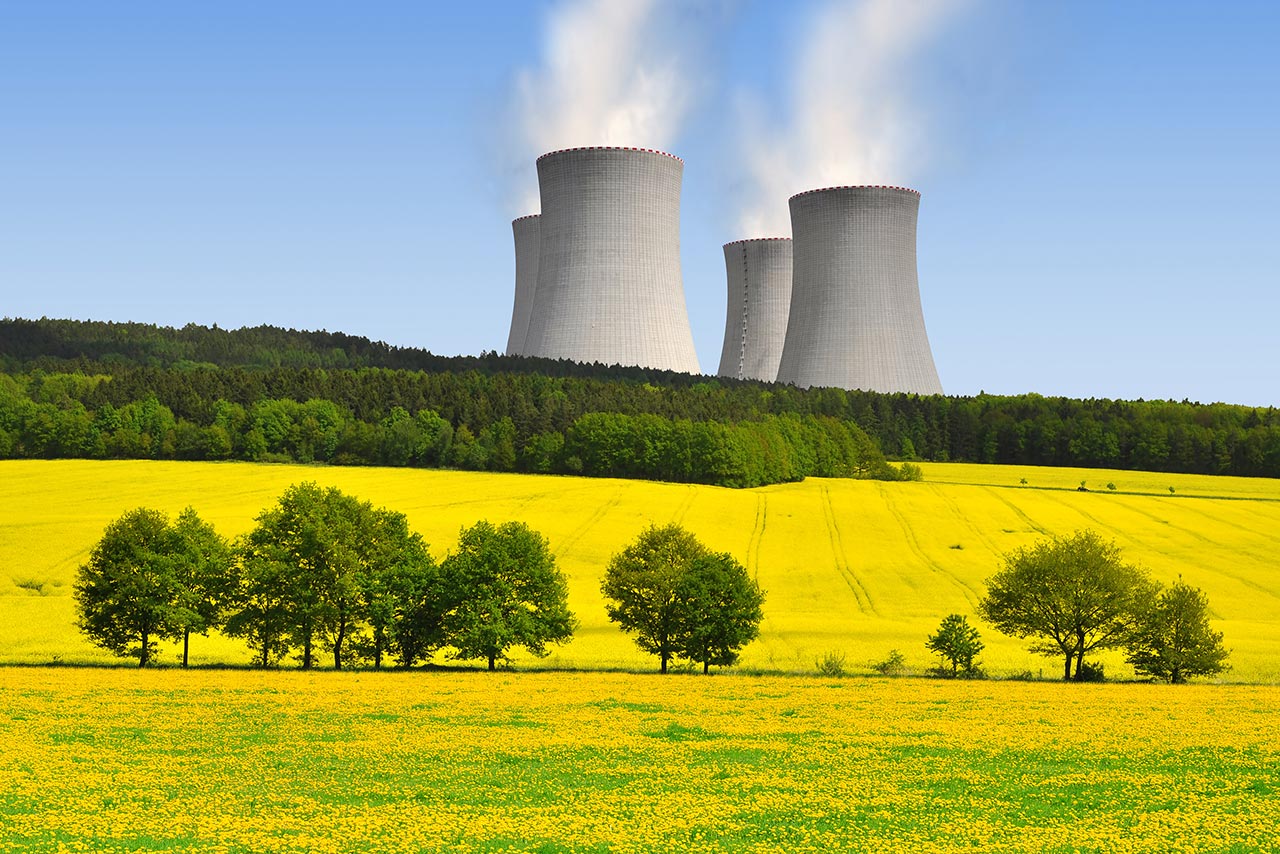
5 pictures
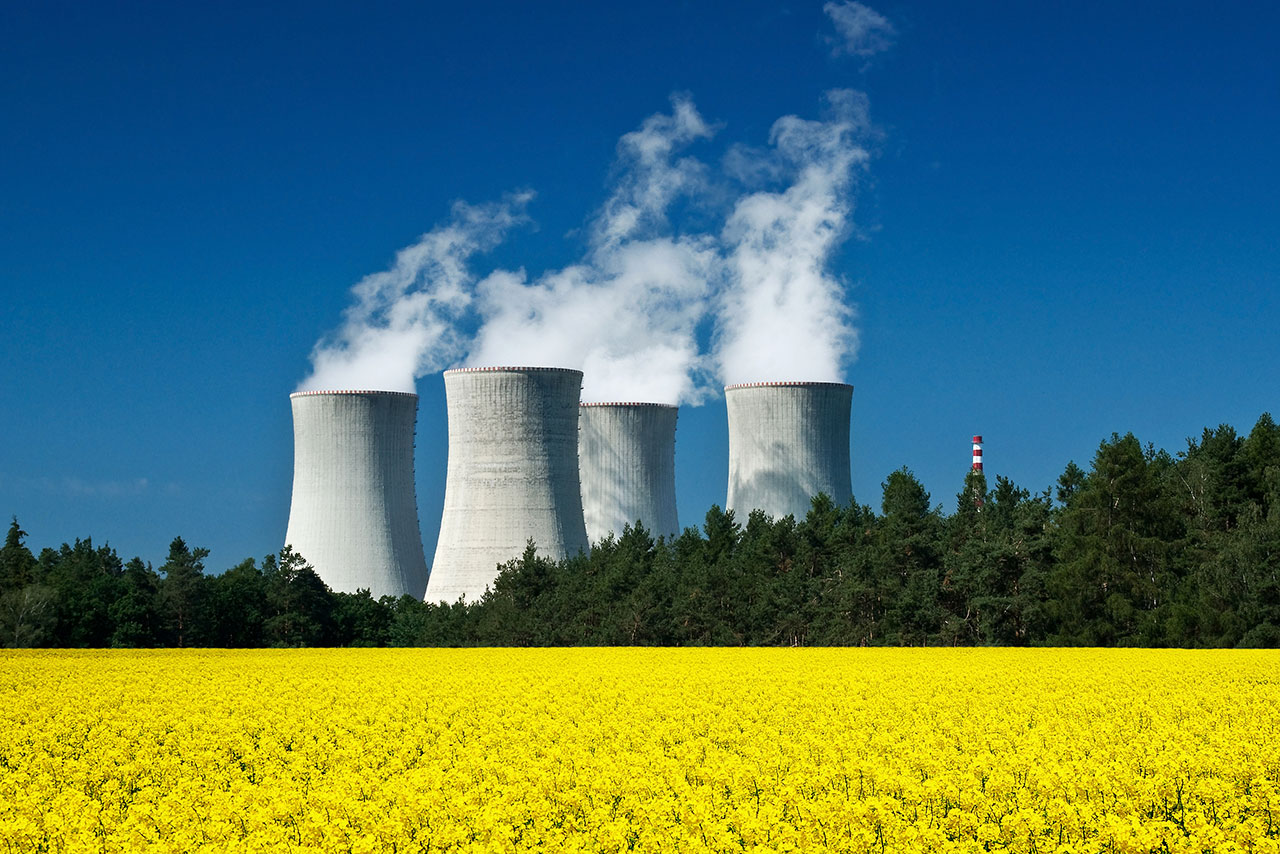

5 pictures
Radiation levels around nuclear power plants are continuously monitored. During normal operation, radiation doses to the public from authorised radioactive releases are typically only a small fraction of natural background radiation and regulatory dose limits.


Robie, your AI assistant