


The Beaufort Wind Force Scale
2 min read
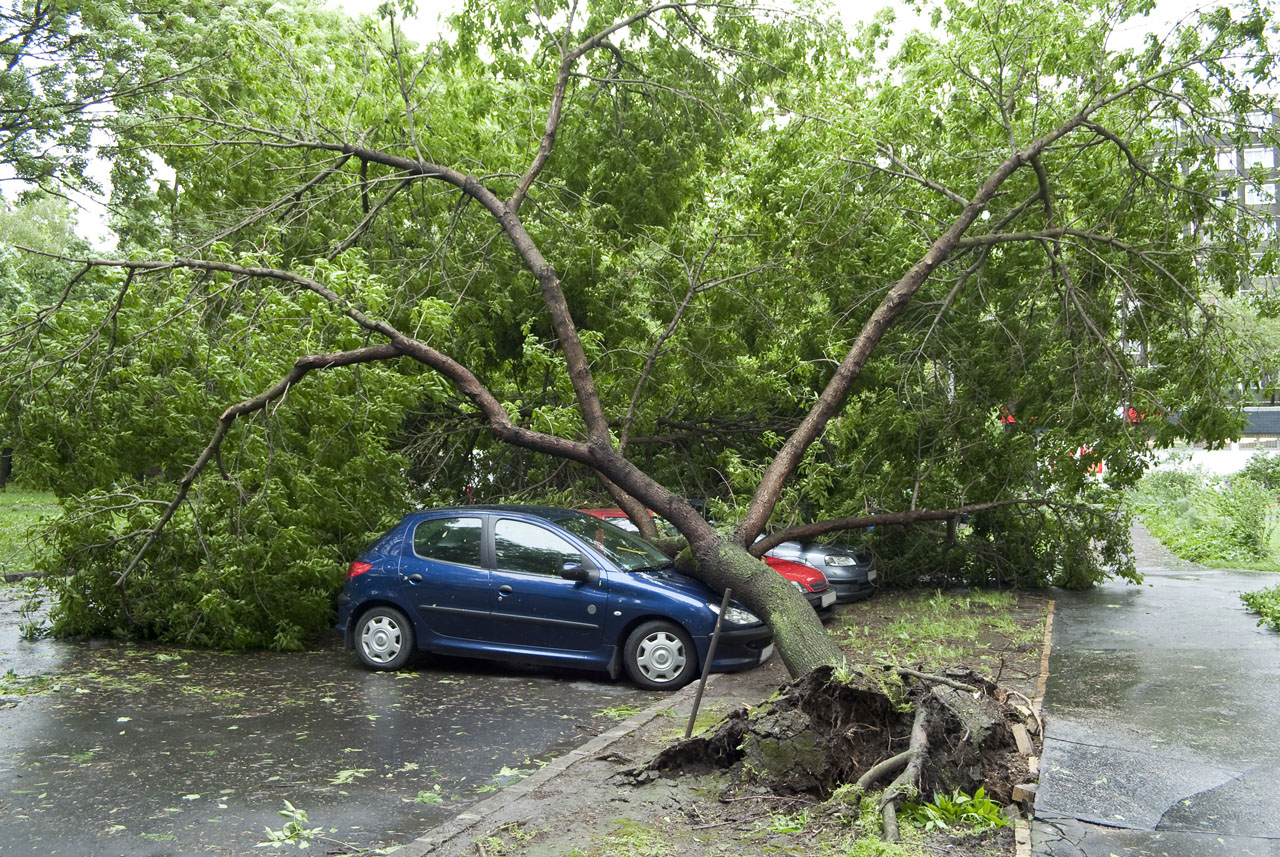
A whole gale, storm: Seldom experienced inland, trees are uprooted, considerable structural damage occurs. Wind speed: 89—102 km/h, wave height: 6—9 m
In the early 19th century, seamen regularly observed and recorded the weather, but they did not have a standardized objective scale to determine the strength of the wind. A standardized system was introduced by the British naval officer Francis Beaufort in 1806. Originally, the scale had 13 numbers (0 to 12). The numbers did not correspond to measured wind speeds but described the force of the wind based on observed conditions. At 0 all sails would be up, at 6 about half the sails would have to be taken down, and at 12 all the sails would have to be stowed away.
Wind speeds, as measured by an anemometer, and descriptions of the effects of wind at sea and on land were later incorporated into the scale. This made it possible to estimate wind force and the corresponding wind speed from observed conditions without using measuring instruments. In the middle of the 20th century, five further numbers were added for extreme winds, but the standard Beaufort scale used today ranges from 0 to 12.
13 pictures
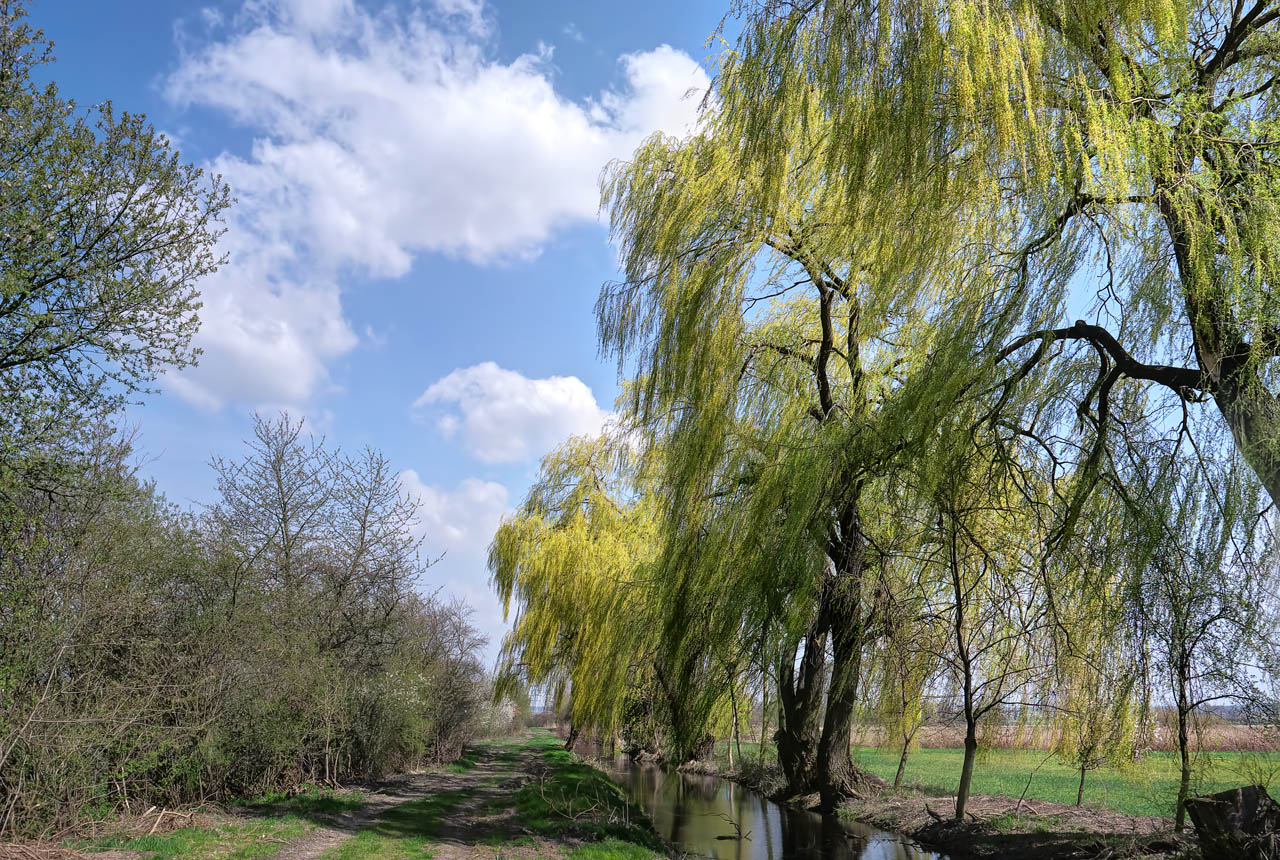
13 pictures
The Beaufort Wind Force Scale Table
| Beaufort number | Wind | Speed [km/h] | Land conditions | Wave height [m] |
|---|---|---|---|---|
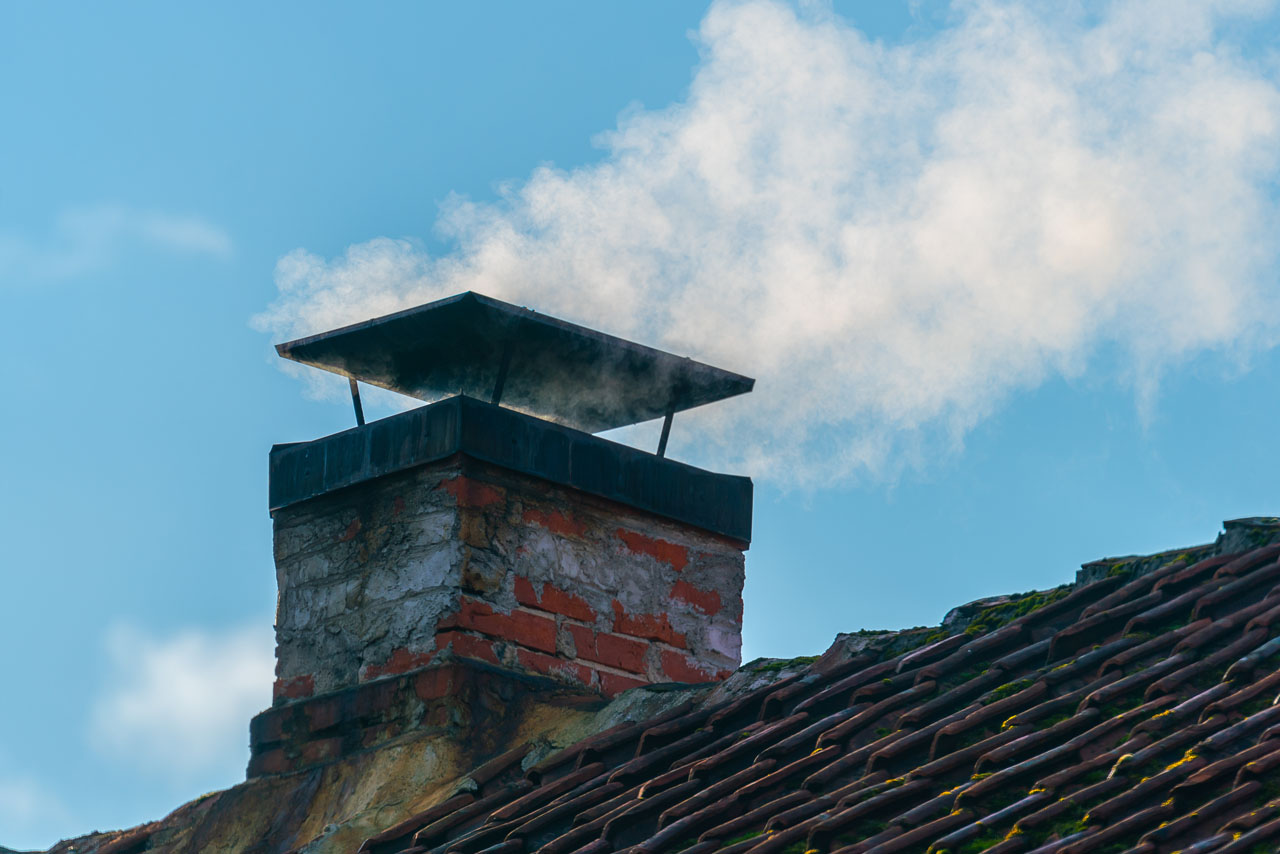
| 0. | Calm | < 1 | Smoke rises vertically | < 0.1 |
| 1. | Light air | 1—5 | Direction of wind shown by smoke but not by wind vanes | about 0.1 |
| 2. | Light breeze | 6—11 | Wind felt on face, leaves rustle, ordinary vane moved by wind | about 0.2 |
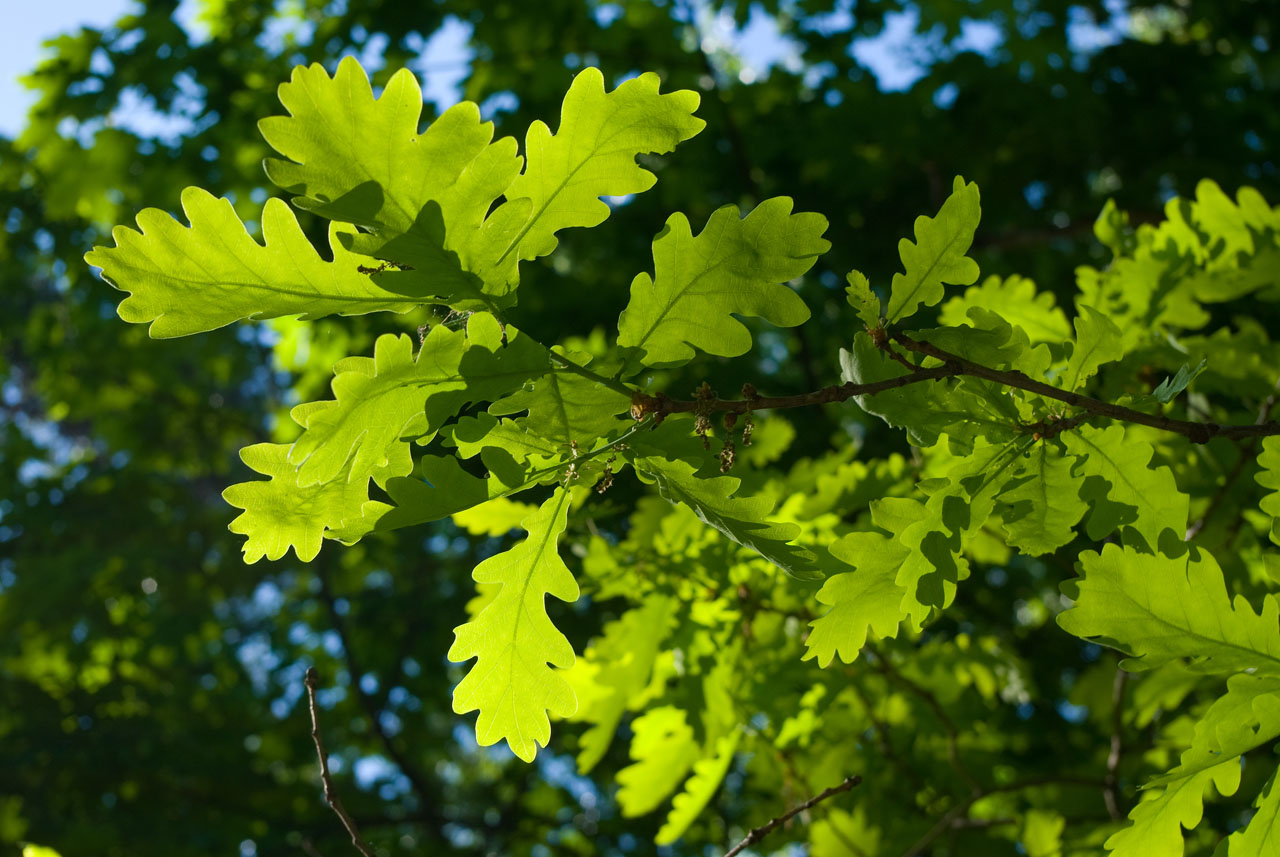
| 3. | Gentle breeze | 12—19 | Leaves and small twigs in constant motion, wind extends light flag | 0.6 |
| 4. | Moderate breeze | 20—28 | Wind raises dust and loose paper, small branches are moved | 1.0 |
| 5. | Fresh breeze | 29—38 | Small trees begin to sway, wavelets form on inland waters | 2.0 |
| 6. | Strong breeze | 39—49 | Large branches in motion, whistling heard in wires, umbrella use difficult | 3.0 |
| 7. | Near gale | 50—61 | Whole trees in motion, inconvenience felt when walking | 4.0 |
| 8. | Gale | 62—74 | Twigs break off trees; generally impedes progress | 5.5 |
| 9. | Strong gale | 75—88 | Slight structural damage occurs, chimney pots and slates removed | 7.0 |
| 10. | Storm | 89—102 | Seldom experienced inland, trees are uprooted, considerable structural damage occurs | 9.0 |
| 11. | Violent storm | 103—114 | Very rarely experienced on land, accompanied by widespread damage | 11.5 |
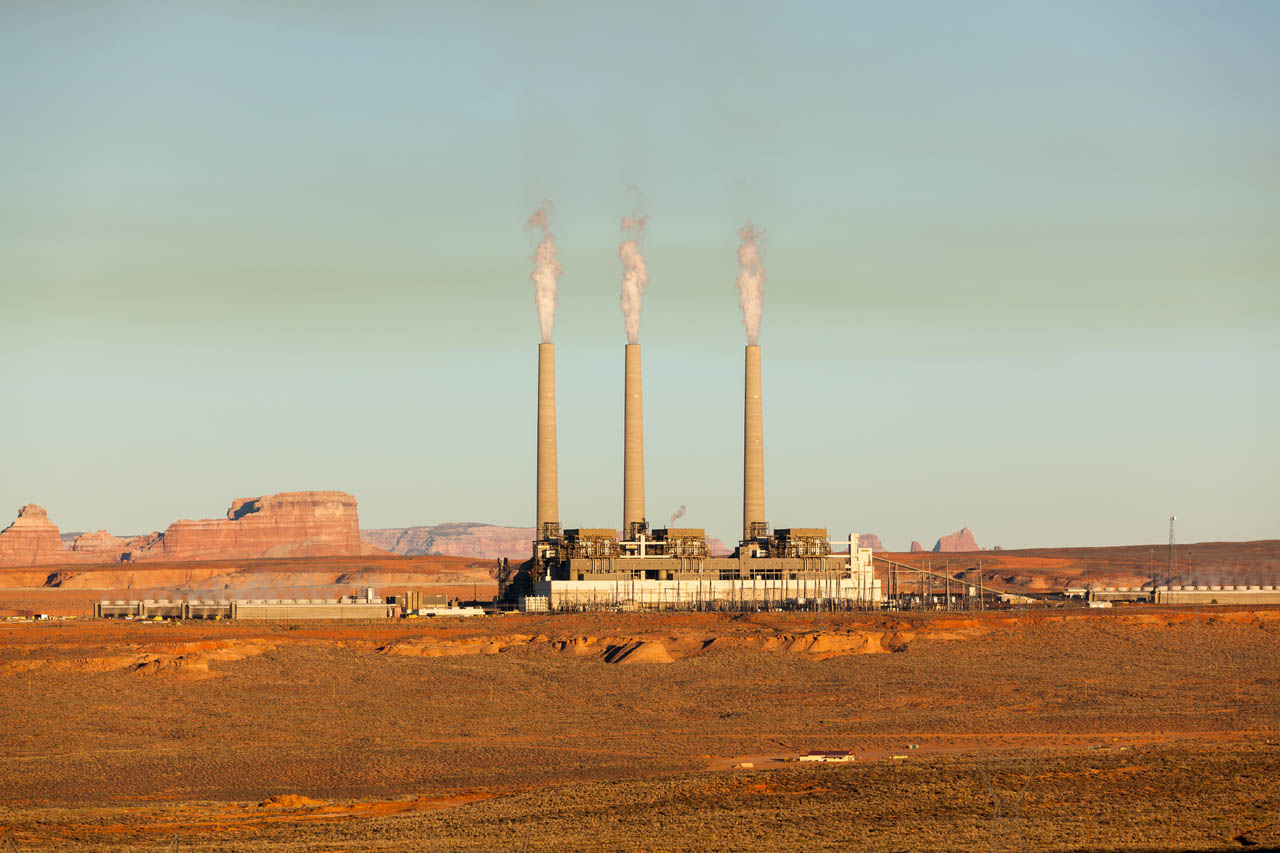
| 12.—17. | Hurricane | > 117 | Countryside is devastated | > 14 |


Robie, your AI assistant