


Ways to Use Solar Heat
12 min read
History of Solar Power Utilization
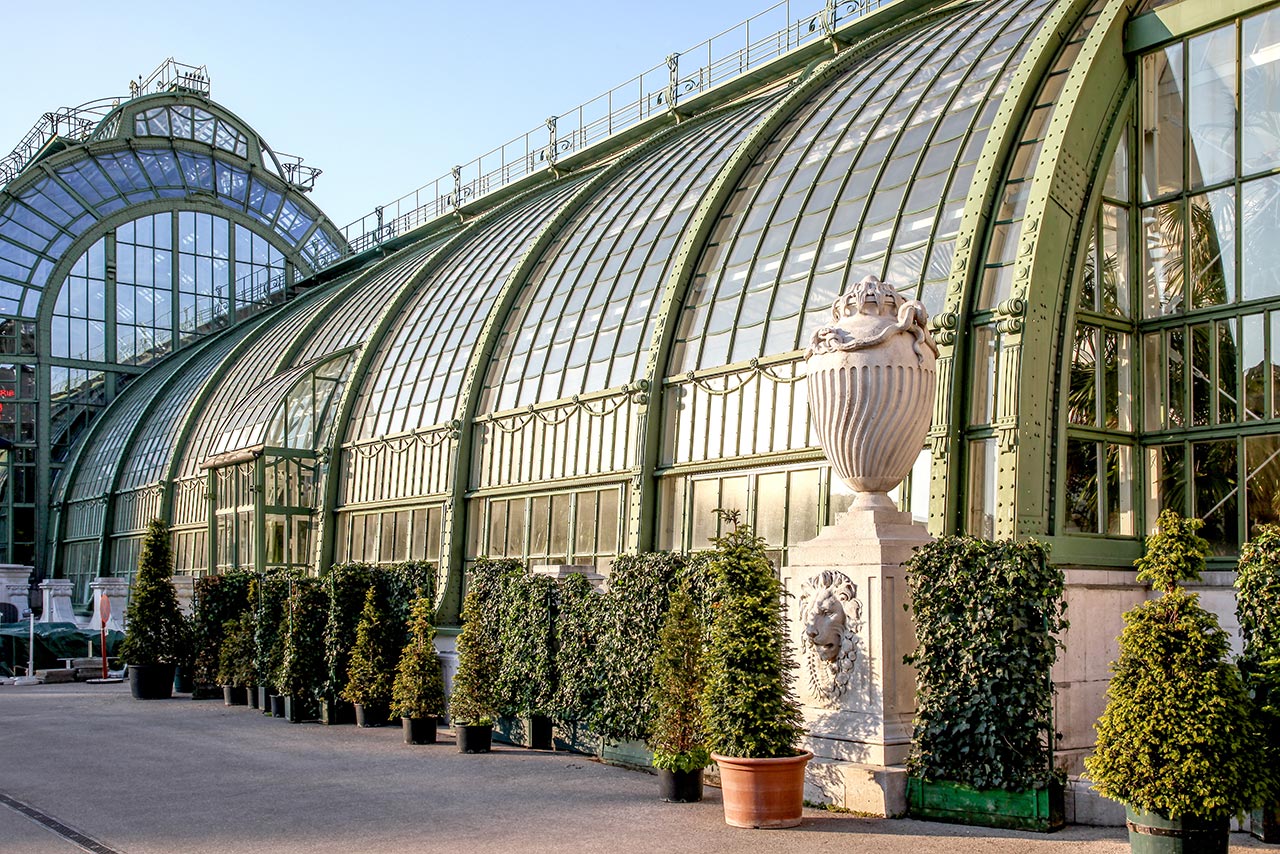
The steel structure of an antique greenhouse — still a functional work of art.
The energy of the Sun has been utilised since prehistoric times. Although the purposeful use of solar energy to generate electricity is a relatively recent development, the thermal energy from sunlight was utilised in various forms much earlier.
One of the earliest practical uses of solar energy was to concentrate sunlight to start fires. In China, fires were started this way as early as the 7th century BC. People also realised that orienting houses towards the Sun could help heat their interiors, laying the foundations of passive solar design. Elements of solar architecture have therefore been present throughout the history of construction. Hand in hand with plate glass came greenhouses which allowed people to grow vegetables and ornamental plants from warmer regions. The first botanical greenhouse was built in 1550 in Padua (map).

In many regions, orienting dwellings towards the Sun has long been used to take advantage of passive solar heating.
The first attempts to use solar power for driving machinery date back to the second half of the nineteenth century. In the 1860s, the French teacher and inventor Augustin Mouchot developed solar-powered steam engines, and in 1866 he constructed a parabolic solar collector. In the 1870s, the Swedish-American inventor John Ericsson also became a pioneer in the development of solar engines.
The first large-scale solar thermal power plant was built in Maadi, Egypt, by the American inventor Frank Shuman and was put into operation in 1913. Five large solar collectors concentrated sunlight to produce low-pressure steam, which powered an engine driving an irrigation pump. The plant pumped water from the Nile to nearby cotton fields, demonstrating the practical potential of solar thermal energy. Its further development was interrupted by the outbreak of the First World War. Several decades later, between 1984 and 1990, nine Solar Energy Generating Systems (SEGS) plants using parabolic trough collectors were built in California’s Mojave Desert, with a combined capacity of 354 MW. These pioneering commercial plants remained in operation for decades but have since been retired.
In 1878, Augustin Mouchot used solar thermal energy to power an ice-making machine.
The development of early solar technologies was partly motivated by concerns that the world’s coal reserves might eventually be depleted.

15 pictures
15 pictures
Passive Solar Systems
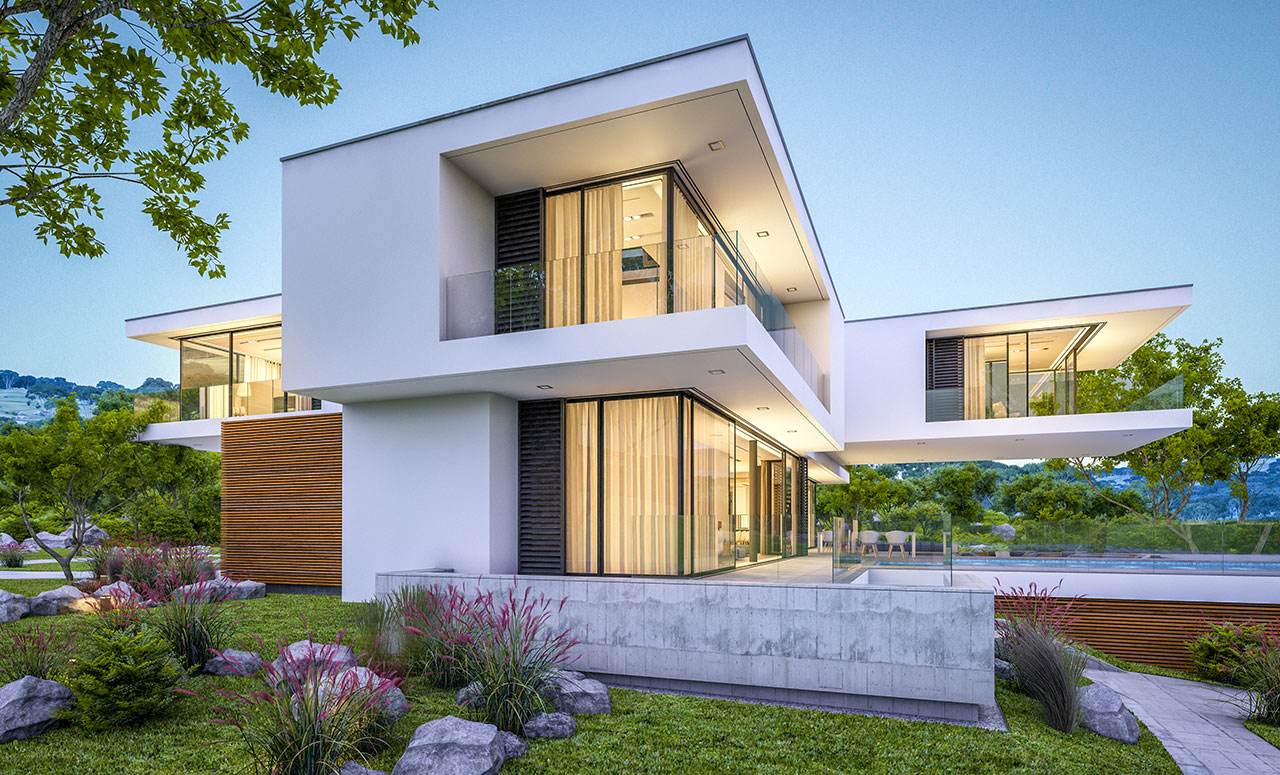
Large glazed surfaces are a common feature of modern residential architecture.
Passive solar systems take advantage of the principles of solar architecture. Apart from sunlight, they do not require any additional energy input or machinery to collect, transfer or store thermal energy. In some cases, small amounts of electricity may be used to operate blinds, shutters or electronic control systems that improve the efficiency and comfort of passive solar systems.
Passive solar systems can be incorporated directly into the architecture of a building. A building can be designed to receive solar heat in winter while remaining shaded from direct sunlight during the heat of summer. Heat collected through appropriate passive design and architectural elements can significantly reduce the energy required for heating.
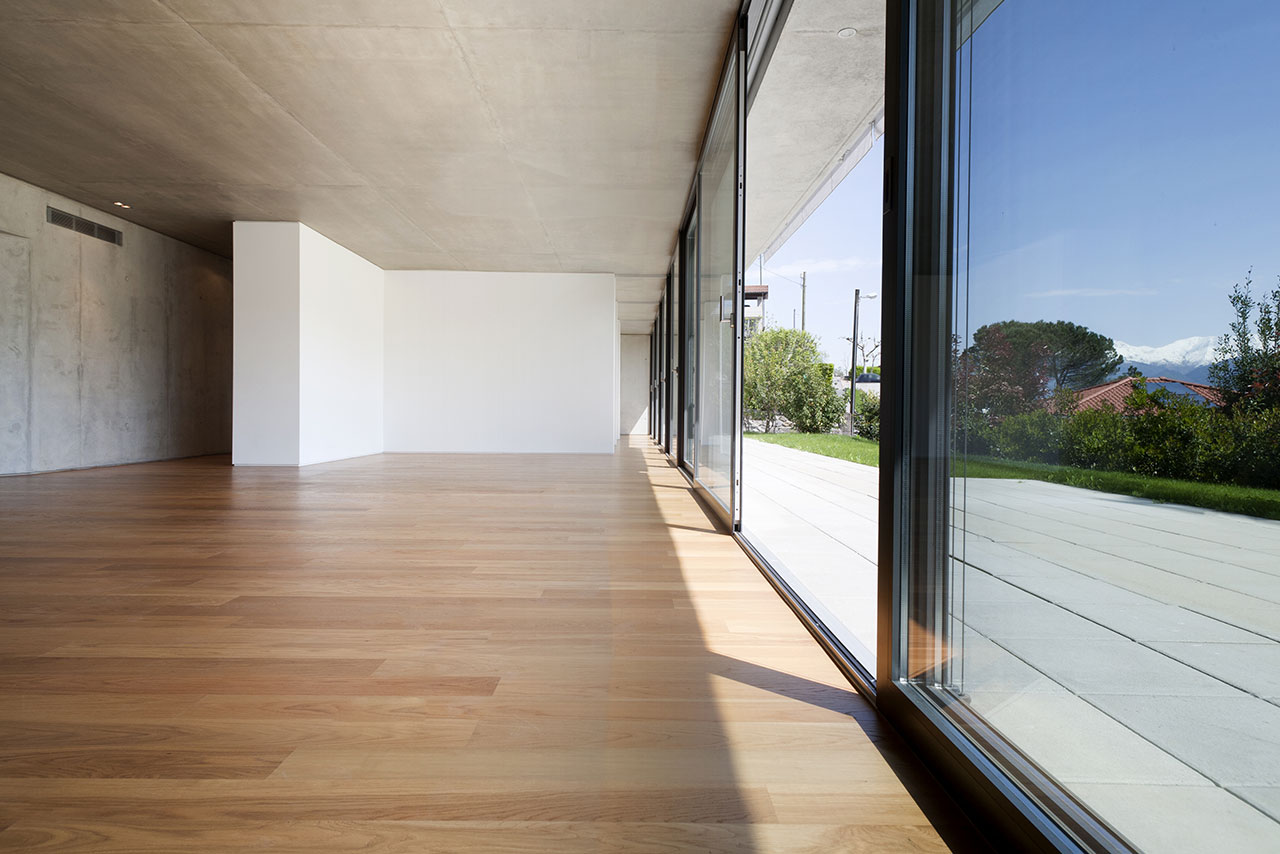
A glazed wall in a hallway of a residential house — a passive element in solar architecture.
Most commonly, this is achieved by allowing solar radiation to enter through glazing and heat the interior of the building. The glazing transmits much of the incoming sunlight while reducing heat loss from the interior. Glazing is used in winter gardens, glazed roofs and porches, large south-facing windows and Trombe walls, while transparent thermal insulation can provide additional solar heat gains. The greenhouse effect can also be exploited for growing vegetables and tropical plants.
The effectiveness of passive solar systems depends on the orientation of the building, the properties of the glazing and insulation, thermal mass, shading and other architectural features. Passive solar principles are often incorporated into the design of low-energy houses.
Passive solar systems can reduce the energy required for heating by around 15% in suitable conditions, although the actual savings depend on climate, building orientation and design.
Absorbing surfaces are usually dark, as dark materials generally absorb more solar radiation, while bright surfaces reflect a larger proportion of it.
Active Solar Systems
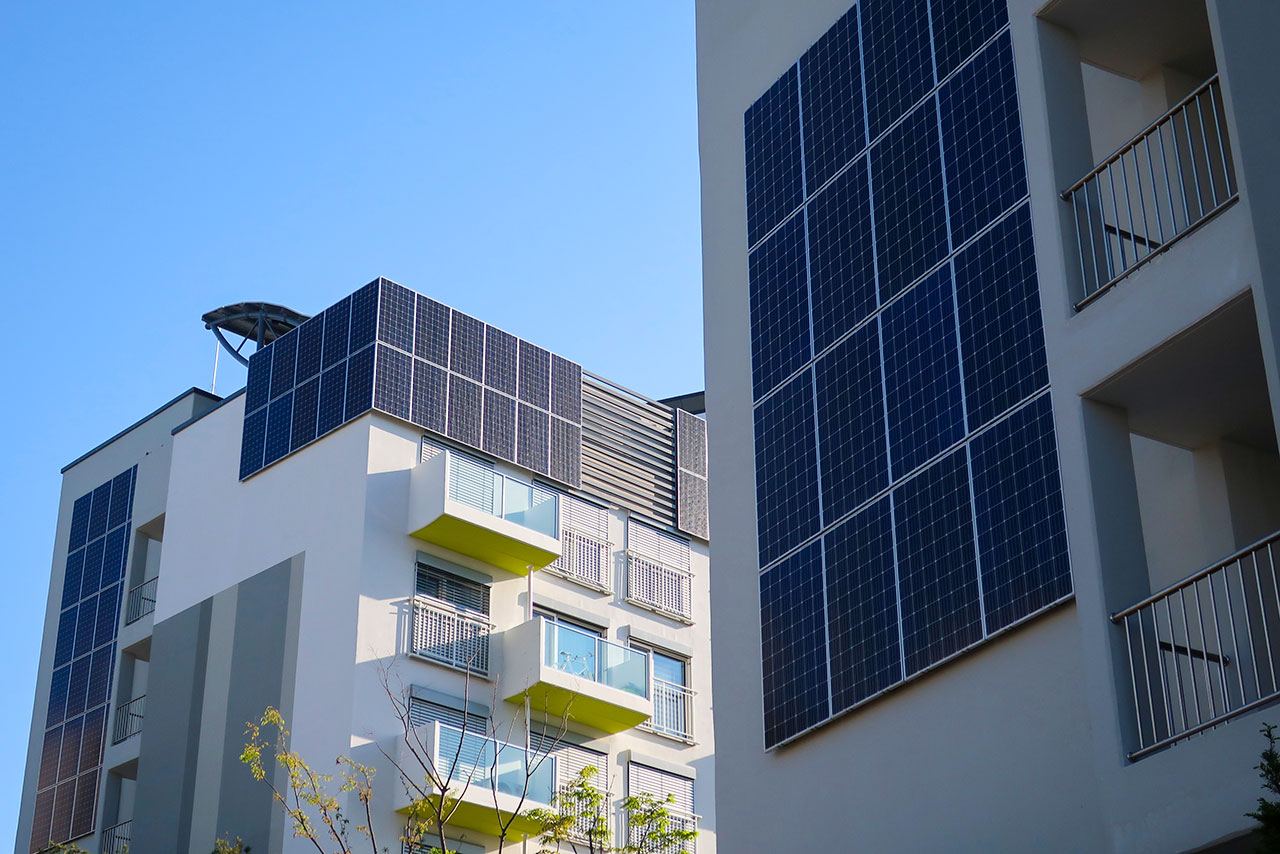
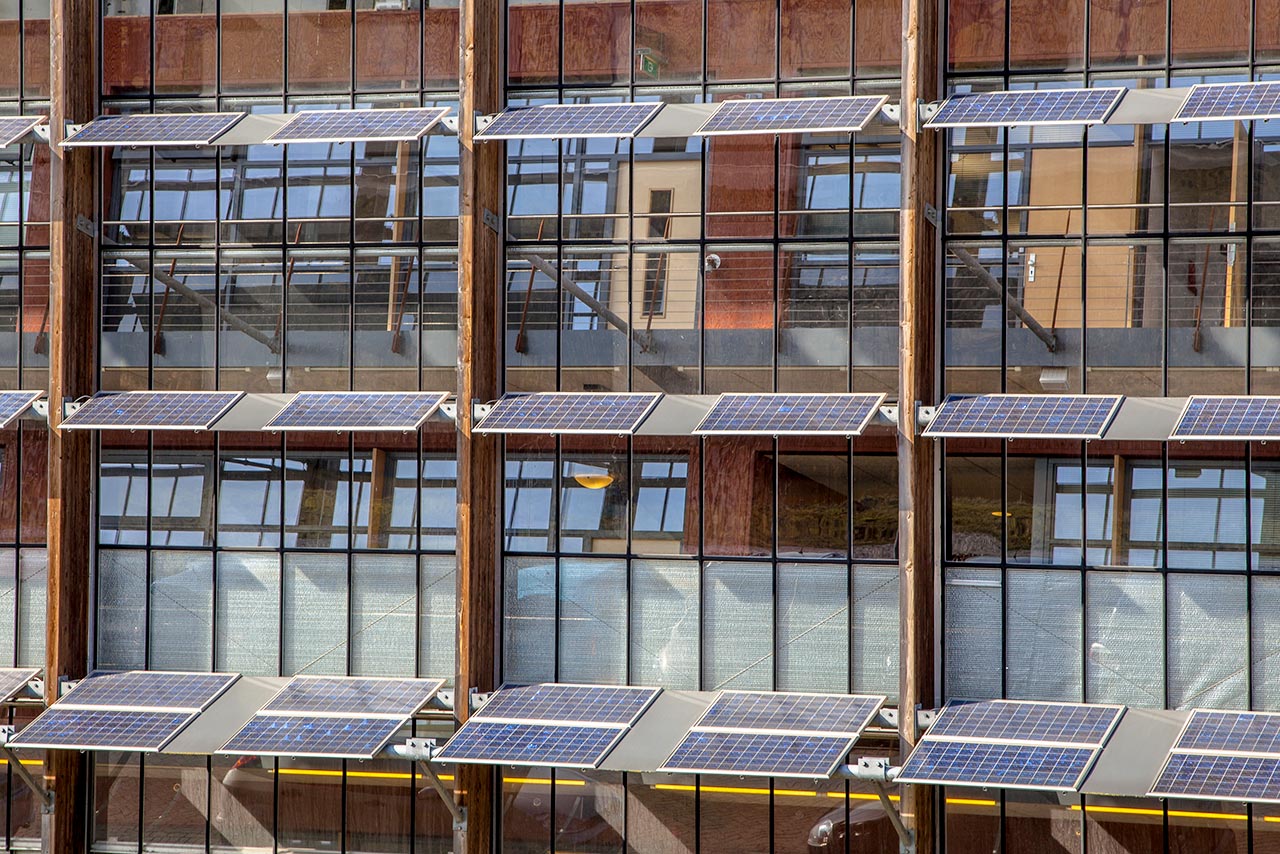
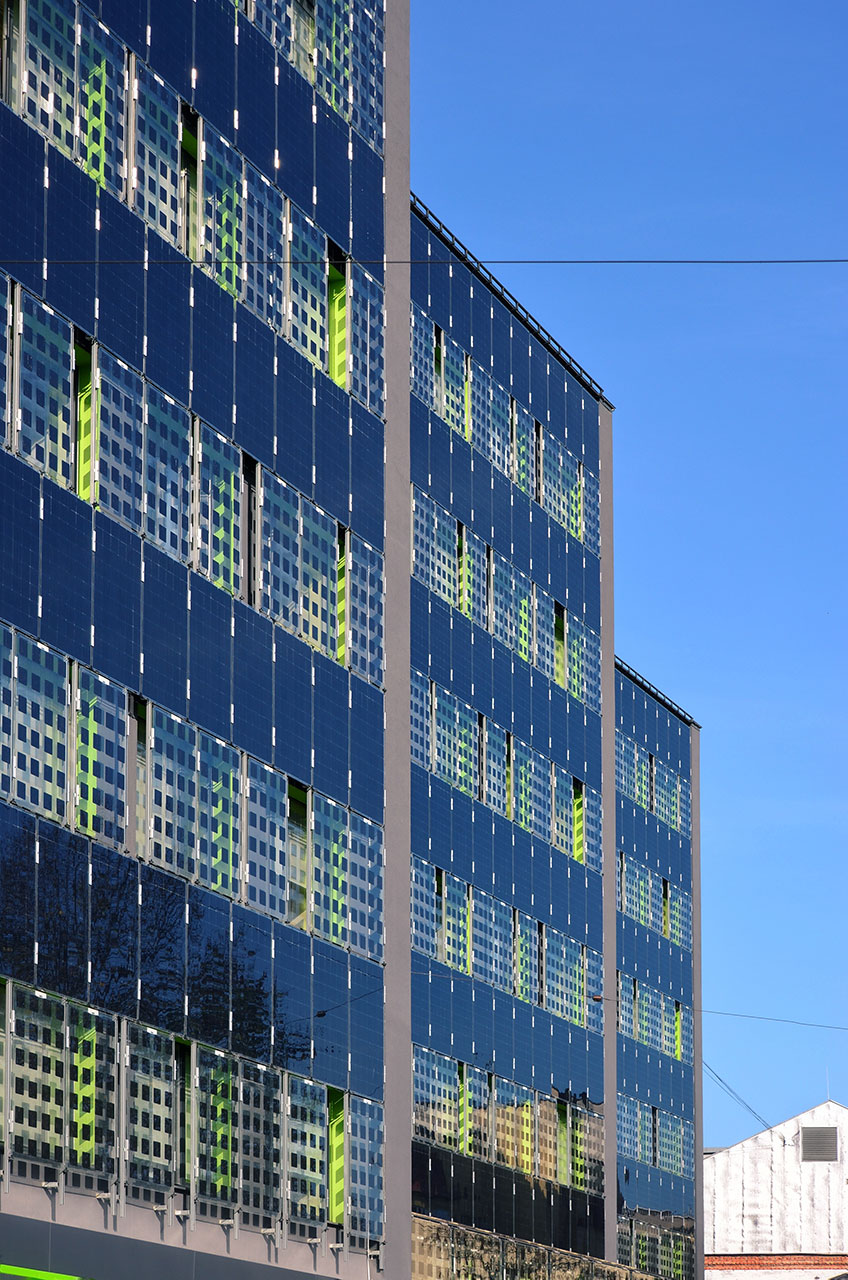
A photovoltaic system integrated into the façade of a modern building.
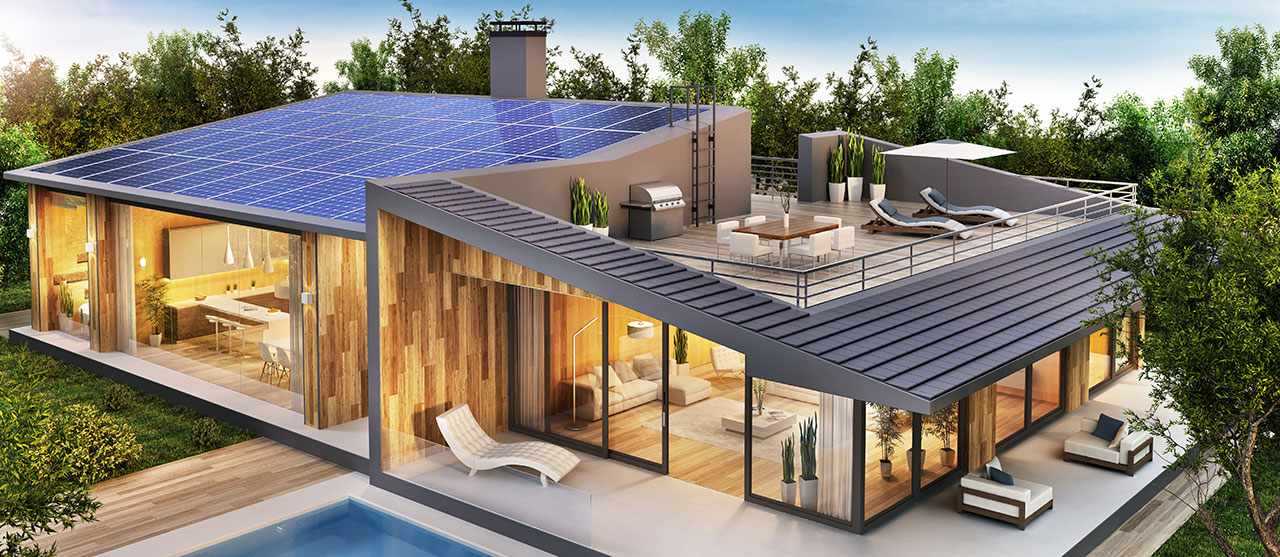
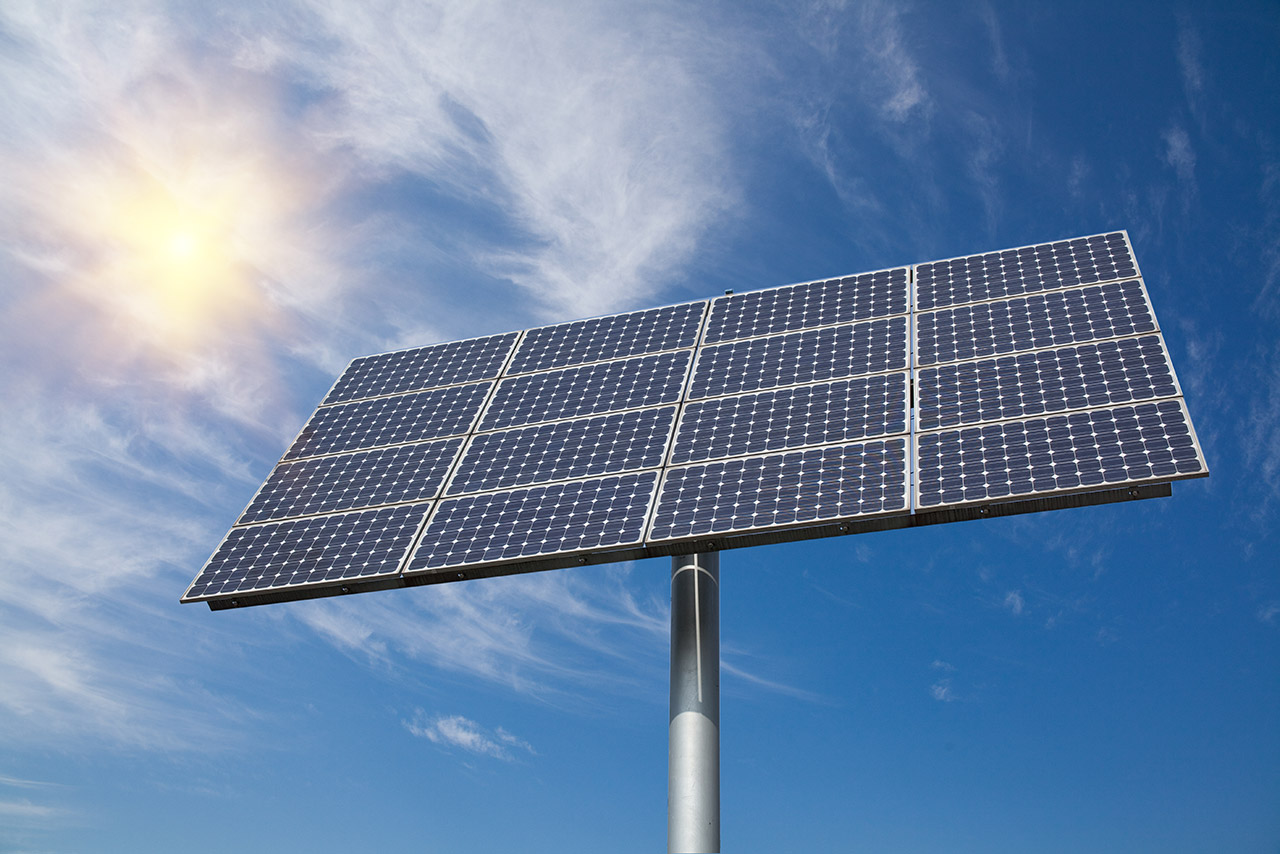
Active solar systems capture and convert energy from sunlight and may also include energy storage. Unlike passive systems, they use mechanical or electrical equipment to collect, transfer or manage the energy.
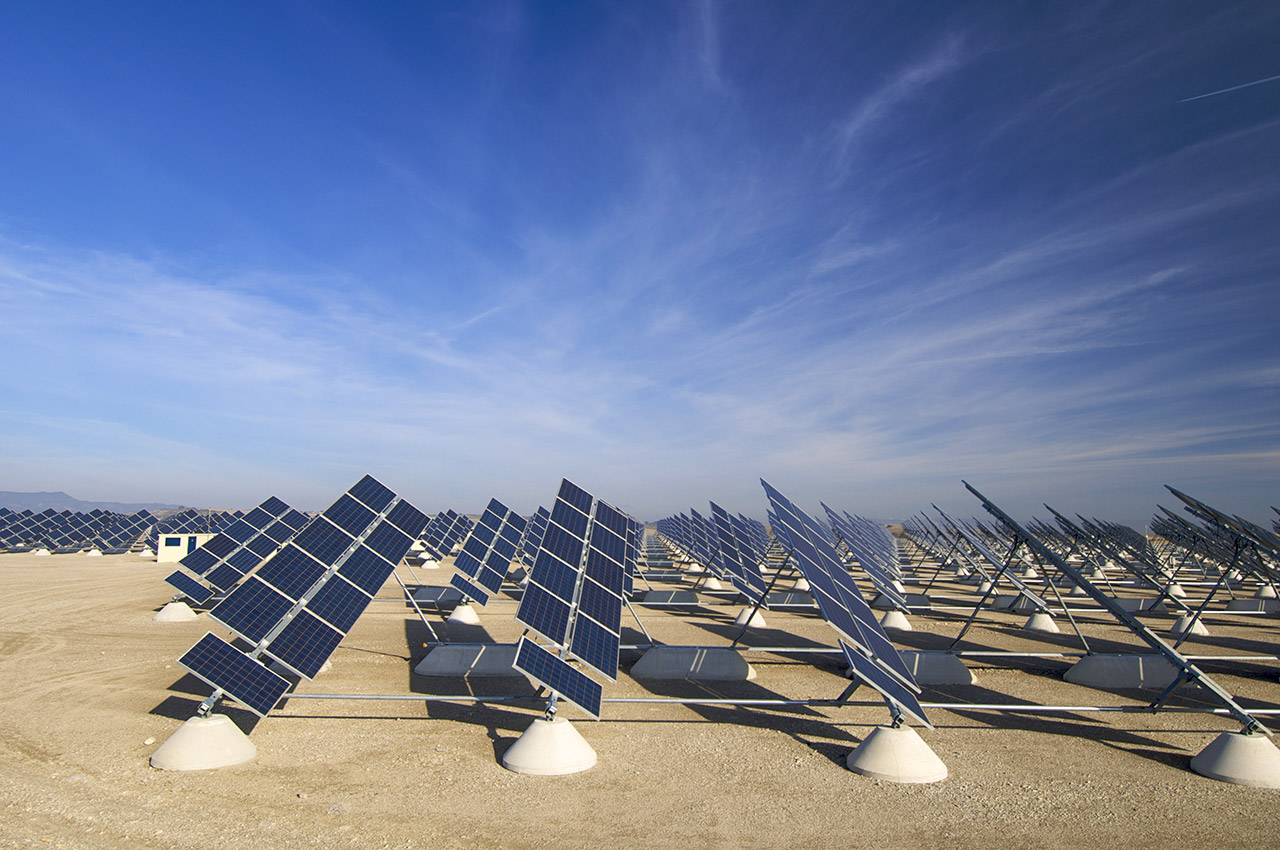
Active solar systems can be subdivided into two categories depending on their basic mode of operation. One type uses sunlight to heat a heat transfer medium in thermal collectors, while the other converts solar energy directly into electricity. An advantage of photovoltaic systems is their versatility in terms of suitable installation locations. Their modular design allows them to be adapted to a wide range of locations and buildings. The electricity produced can be used immediately, stored in batteries or supplied to the electricity grid.
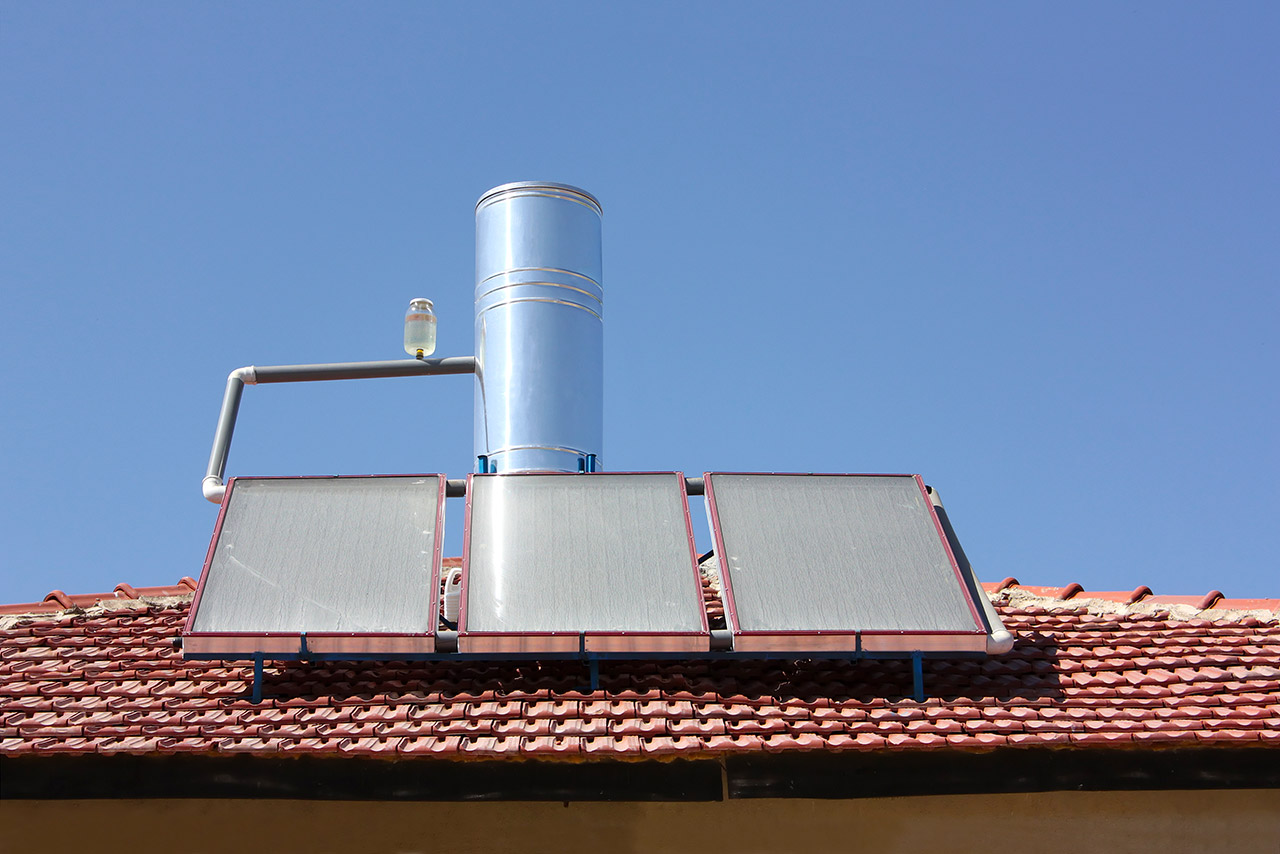
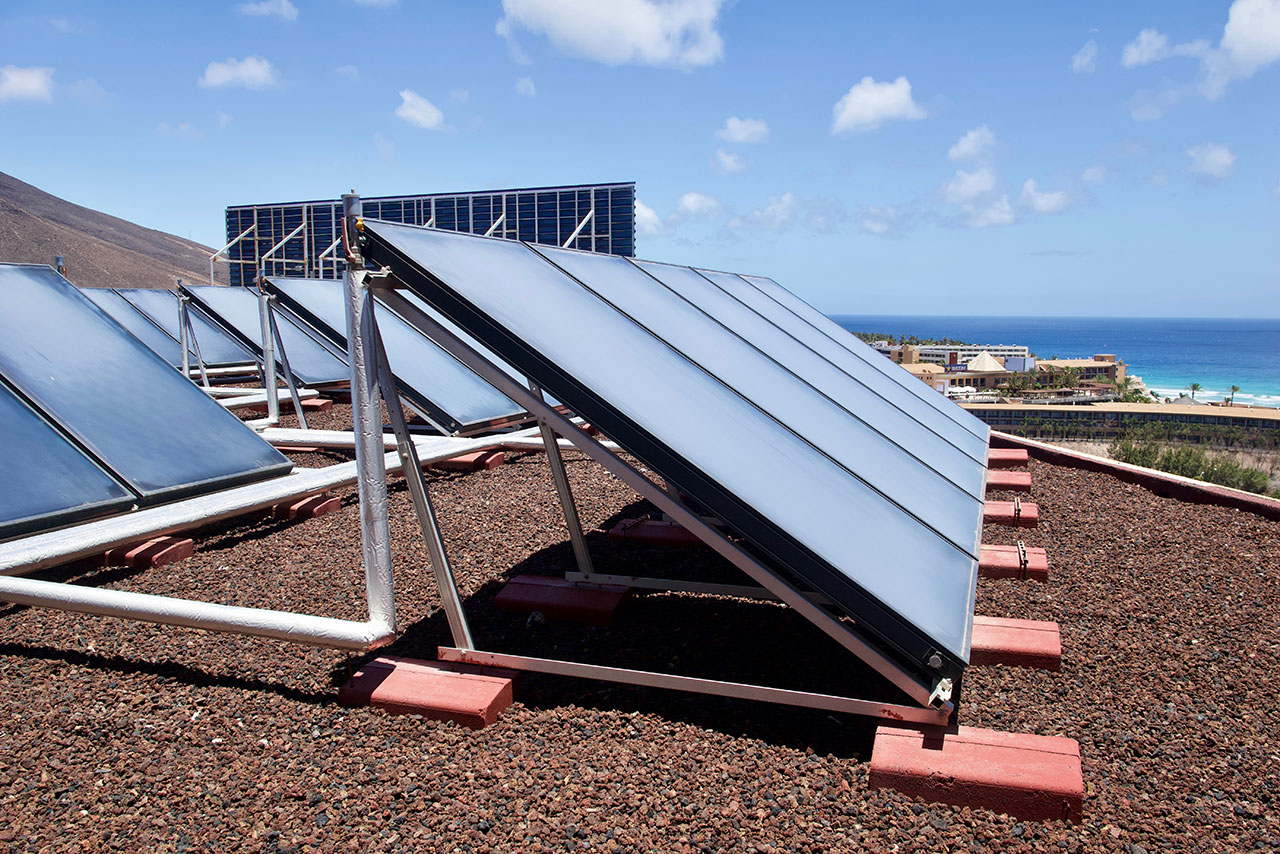
Solar thermal collectors connected to a hot-water storage tank.
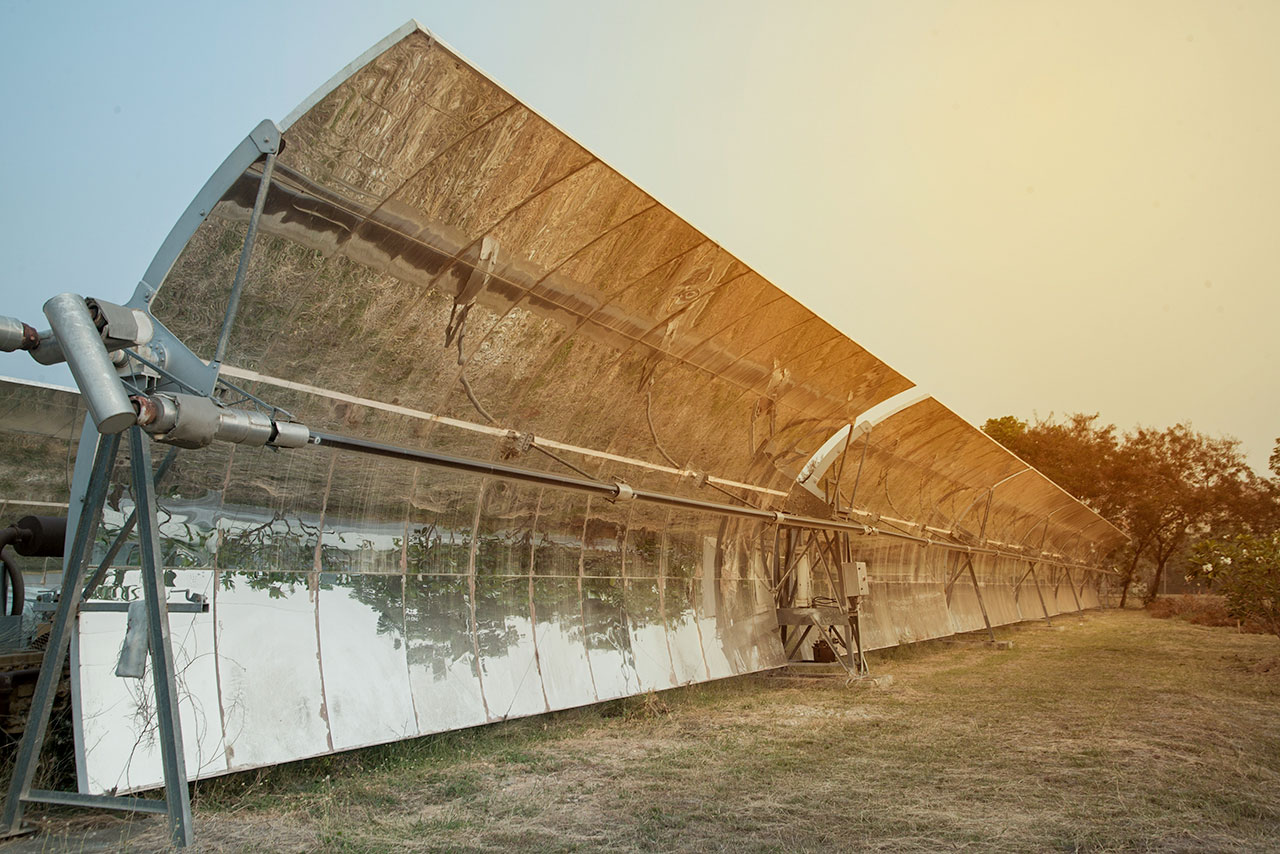
Thermal collectors are usually individual units producing heat that can be used for heating buildings or water. In non-concentrating collectors, the absorber area is approximately the same as the collector area. In large concentrated solar power installations, mirrors concentrate solar radiation onto a much smaller receiver area, allowing considerably higher temperatures to be reached. Such systems can be used to produce steam and generate electricity in a way similar to conventional thermal power plants. Large concentrated solar power plants require considerable land area and regular maintenance, but can generate electricity on a utility scale.
The performance of active solar systems depends strongly on the amount of solar radiation available at a given location. Solar irradiance is the radiant power received per unit area and is expressed in watts per square metre (W/m2), while the duration of sunshine also influences the total amount of solar energy available over a given period. These parameters vary significantly with geographical location and are important factors in the performance and economics of solar installations.
18 pictures
18 pictures
Heating and Hot Water
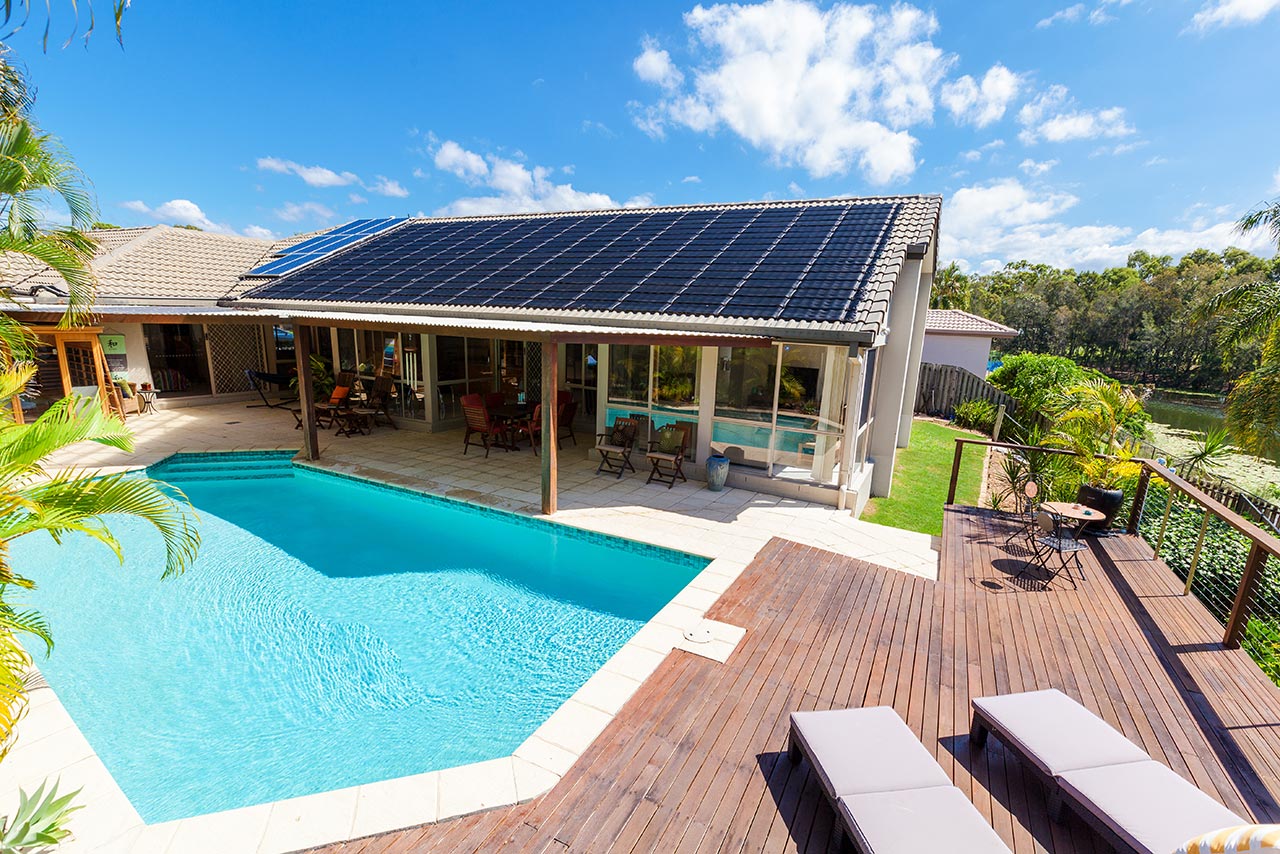
A large array of unglazed solar collectors used for heating water in a swimming pool.
Active solar systems for space heating and water heating come in many varieties. They usually consist of solar thermal collectors, thermal storage tanks, pumps and pipes, and electronic control systems. They can provide part of a household’s heating and hot water needs.
Active space-heating and water-heating systems usually consist of:
- Solar collectors for absorbing solar energy,
- Thermal storage systems with sufficient capacity,
- A heat transfer system to deliver heat where it is required.
The simplest design is a water barrel painted black. More complex designs, aside from various kinds of collectors, incorporate tanks, heat exchangers, shut-off and regulating valves, pumps, piping, sensors and electronic control systems.
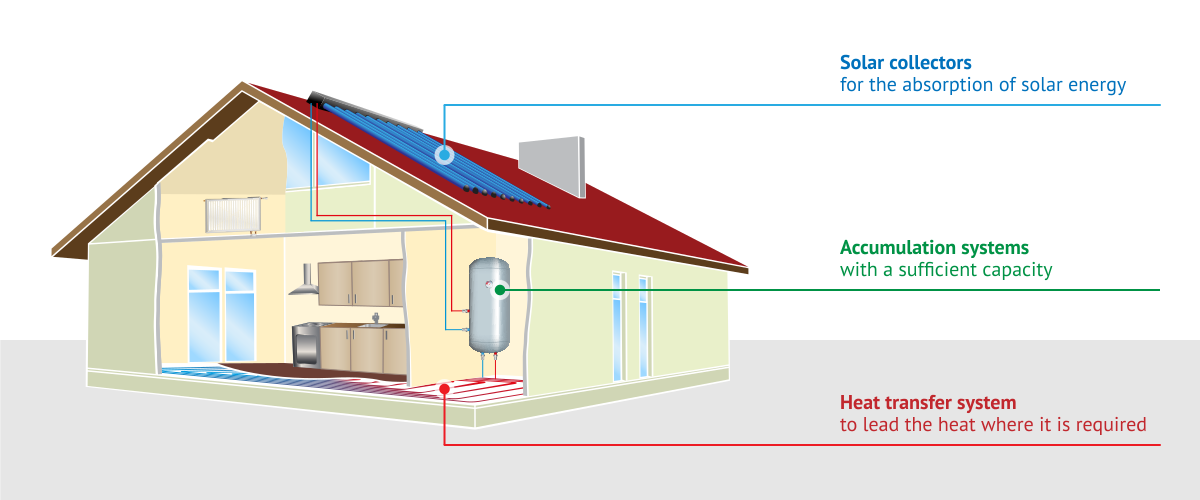
Active solar system for space heating and water heating.
Free Downloads › Images / Active solar system for space heating and water heating
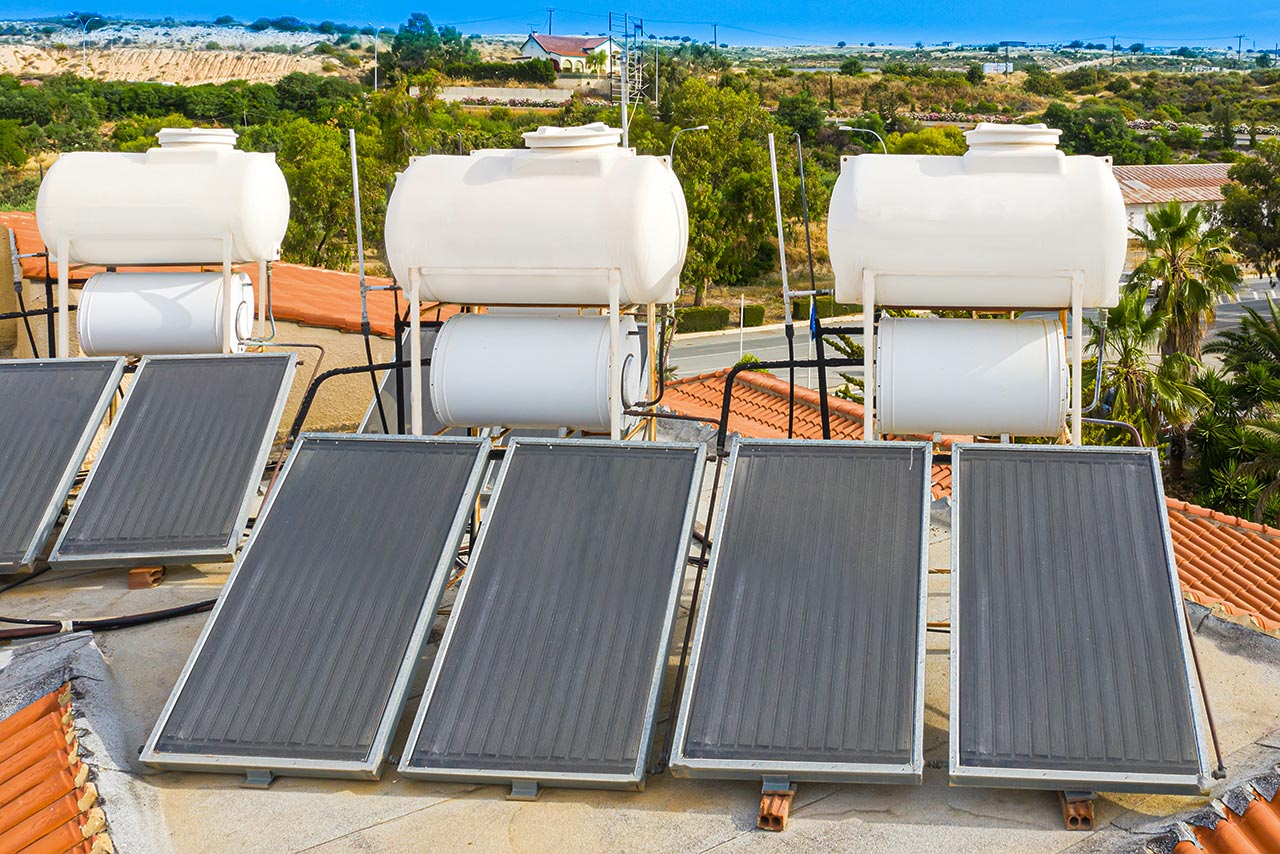
Three solar water-heating systems with flat-plate collectors and storage tanks.
Water can be used as the heat transfer medium in solar thermal systems. In colder regions, where freezing could damage the system, indirect systems commonly use an antifreeze solution in a closed collector loop. In the absorber of a solar thermal collector, solar radiation is converted into heat, which heats the circulating heat transfer medium. The medium is then pumped to a storage tank with a heat exchanger, where domestic hot water or water for space heating is heated. After transferring its heat, the circulating medium flows back to the collector and the process repeats as long as the collector can provide a useful thermal gain. When this is no longer the case, circulation through the collector is stopped. Domestic hot water from the storage tank is then distributed conventionally to the points of consumption.
During winter months or unfavourable weather conditions, a solar system should be supplemented by an auxiliary heat source to ensure an uninterrupted heat supply. All elements of the system should be well insulated to minimise heat loss.
More than 85% of households in Israel use solar thermal systems to heat domestic hot water.
Thermoelectric Generator
A thermoelectric generator indirectly converts solar radiation into electricity using numerous interconnected thermoelectric elements. Early thermoelectric generators used thermocouples made of dissimilar metals, while modern devices generally use semiconductor thermoelectric materials. A temperature difference between the hot and cold sides of these elements generates an electric voltage through the Seebeck effect. In a solar thermoelectric generator, concentrated solar radiation heats the hot side, while the cold side is kept at a lower temperature.
Advantages of Solar Energy
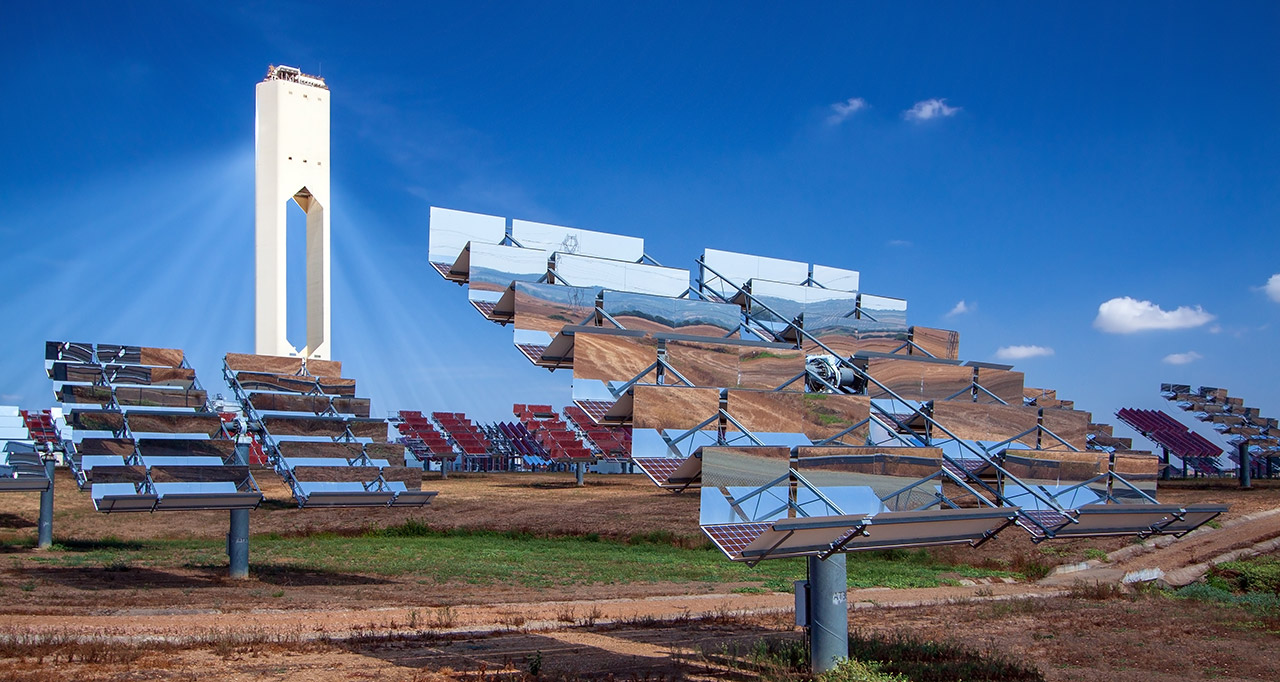
Solar energy is virtually inexhaustible on a human timescale, and its utilisation does not significantly affect the Earth’s natural energy balance.
The main advantages of solar energy are its wide availability, inexhaustibility and relatively low environmental impact. Solar photovoltaic and thermal systems produce no direct air pollutant or greenhouse gas emissions during operation and require no fuel supply. Photovoltaic systems and solar thermal collectors generally require relatively little maintenance.
Inexhaustibility
The main advantage of solar energy is its virtual inexhaustibility on a human timescale. The amount of solar radiation reaching the Earth is immense, and even its extensive utilisation would have a negligible effect on the Earth’s overall energy balance. The Sun is expected to remain in its current main-sequence stage for about another five billion years.
Environmentally Friendly
Solar energy is a renewable energy source with relatively low environmental impacts during operation. Solar systems produce no direct air pollutant or greenhouse gas emissions while generating electricity or heat. They can operate quietly and can be installed close to where the energy is consumed, while requiring no continuous fuel supply. However, manufacturing and end-of-life disposal or recycling of solar equipment do have environmental impacts.
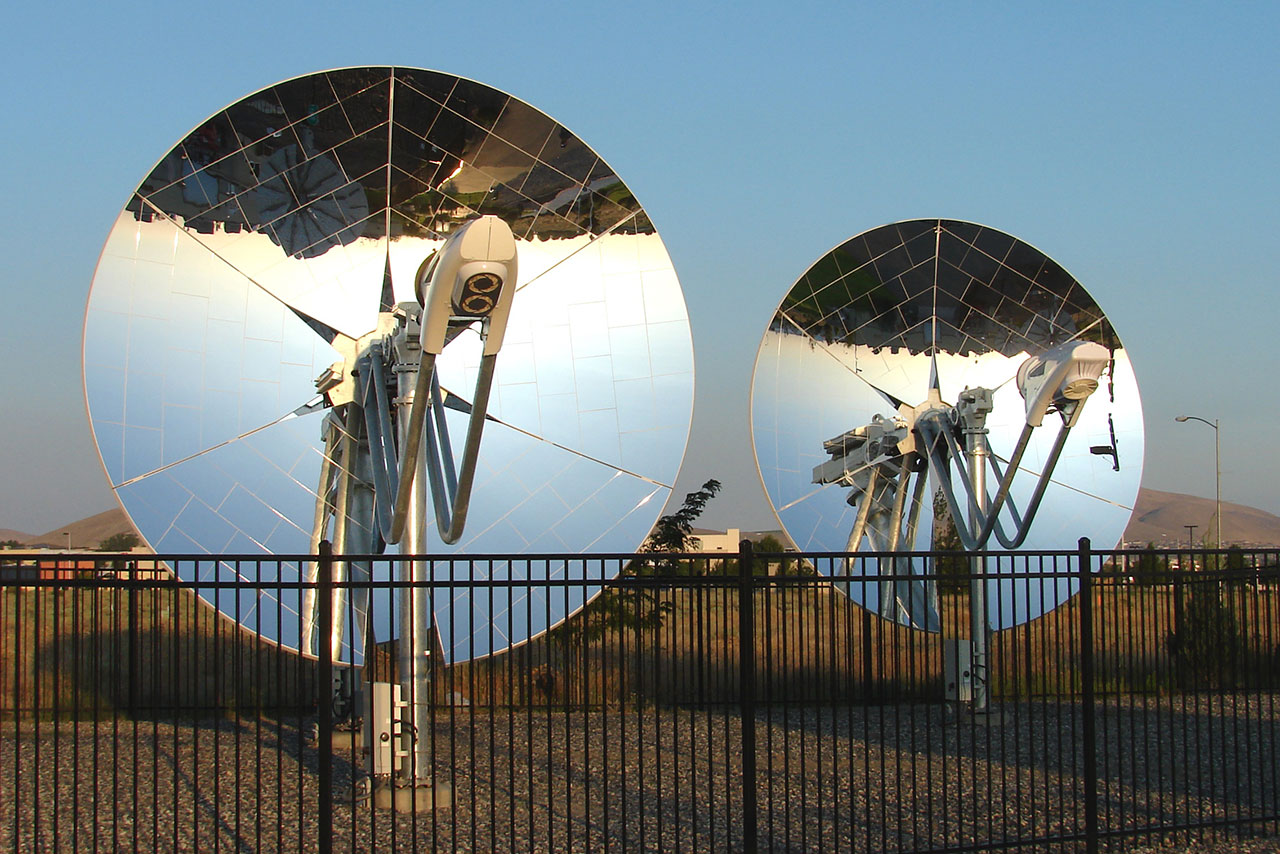
Environmentally friendly solar energy produces no direct greenhouse gas emissions during operation.
Cheap Operation and Maintenance
Solar systems may have relatively high initial installation costs, but their operating costs are generally low because they require no fuel. The economic return depends on factors such as installation costs, local solar conditions, energy prices and the lifetime of the system. Photovoltaic systems generally require little routine maintenance, while solar thermal collectors require periodic inspection and maintenance. Concentrated solar power systems with moving mirrors, pumps and turbines require more extensive maintenance.
Silent operation, few or no moving parts in photovoltaic systems, independence from fossil fuels and future expandability are compelling advantages of solar energy systems.
6 pictures
6 pictures


Robie, your AI assistant