


Kaplan Turbine
3 min read
Viktor Kaplan
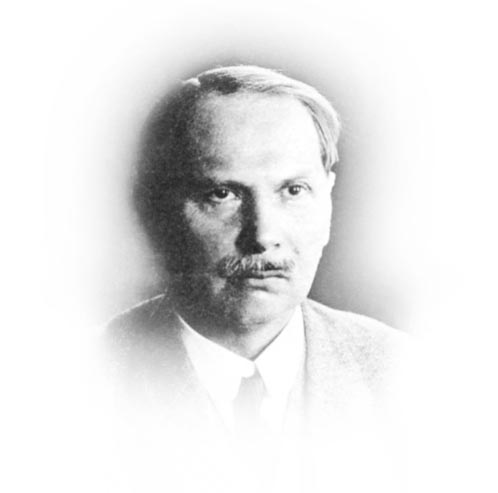
Viktor Kaplan
27. 12. 1876, Mürzzuschlag, Austria
23. 8. 1934, Rochuspoint, Austria
Viktor Kaplan was an Austrian engineer and the inventor of the Kaplan turbine. After graduating from the Vienna University of Technology, Kaplan moved to Brno, where he worked as a design engineer at the Department of Machine Theory, Kinematics and Mechanical Engineering at the German Technical University. In 1912, he published his work on a new water turbine designed for low heads and large flow rates. During his research, Kaplan combined theoretical calculations with hundreds of experiments aimed at improving existing water turbines. By gradually modifying the flow passages of the Francis turbine, he eventually developed an axial-flow runner resembling a ship propeller with adjustable blades.
The first Kaplan turbine was manufactured by the Ignaz Storek company in Brno and installed in Velm, Lower Austria, where it entered operation in 1919. Its success contributed to the rapid spread of Kaplan turbines around the world. In total, Kaplan registered four patents for various turbine types. Despite patent disputes and opposition from competitors, the Kaplan turbine eventually became widely established. A major breakthrough came in 1925, when a Kaplan turbine was installed at the Lilla Edet hydroelectric power plant in Sweden.
Kaplan Turbine
Online 3D Model › Hydropower Plant / Kaplan turbine
Free Downloads › Online 3D › Hydropower Plant / Kaplan turbine
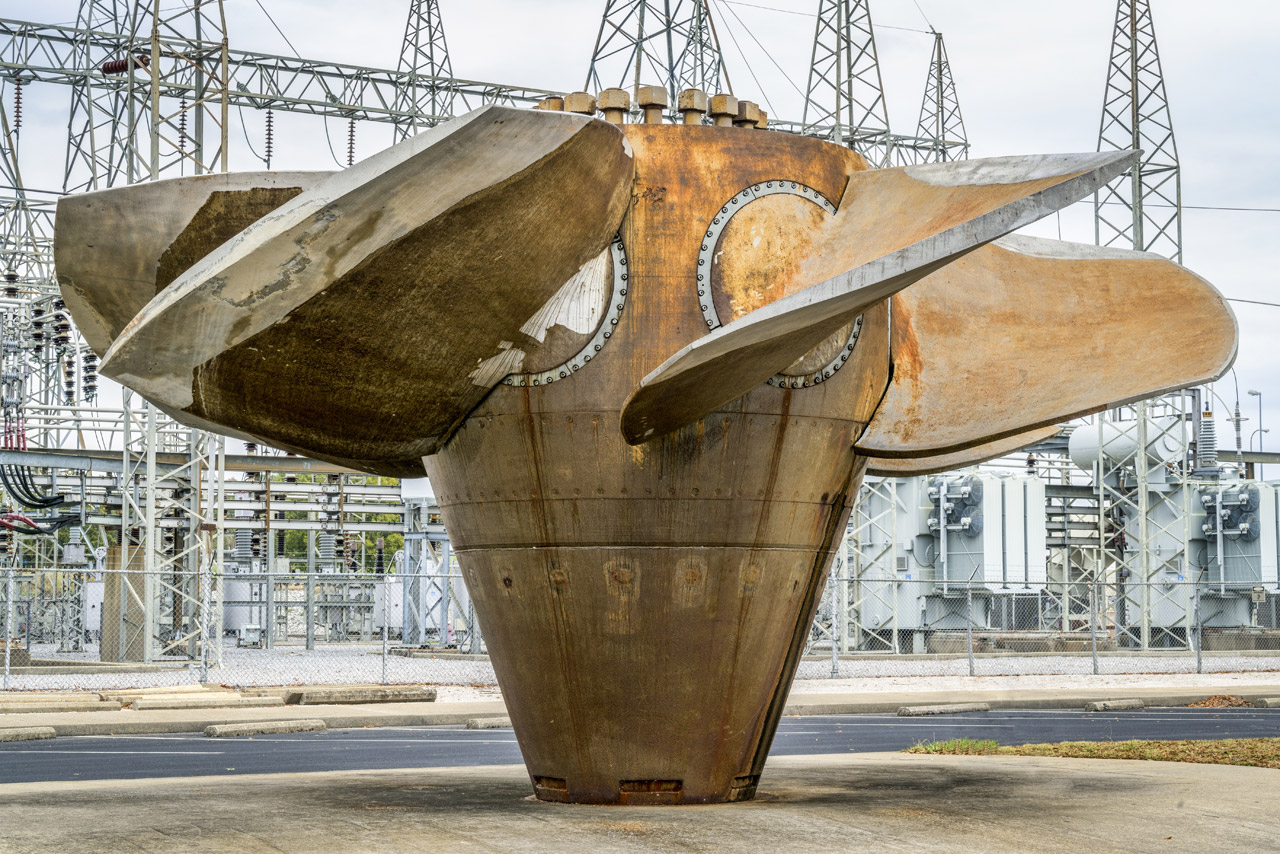
The Kaplan turbine is an axial-flow reaction turbine with adjustable guide vanes (or wicket gates) and adjustable runner blades. It is typically suitable for hydraulic heads from a few metres to about 50 metres and for large flow rates, which can reach several hundred cubic metres per second. The adjustable guide vanes and runner blades allow the turbine to maintain high efficiency over a wide range of flow rates. It is more complex than the Francis turbine but can achieve efficiencies exceeding 90% over a wide range of operating conditions. Kaplan turbines are typically used in places with relatively high, variable rates of flow and lower hydraulic heads.
Water is led to the turbine via the penstock and through the guide vanes where it gains speed and alters direction. The runner typically has four to six blades and resembles a ship propeller. To adapt to changing flow rates, the pitch of the runner blades is adjusted by a mechanism located inside the runner hub. As the flow rate changes, the pitch of the runner blades is adjusted to maintain an optimum angle of attack and high efficiency.
To reduce costs, simplified turbines used in smaller power plants may have either fixed runner blades or fixed guide vanes. This, however, reduces their ability to maintain high efficiency under varying operating conditions.
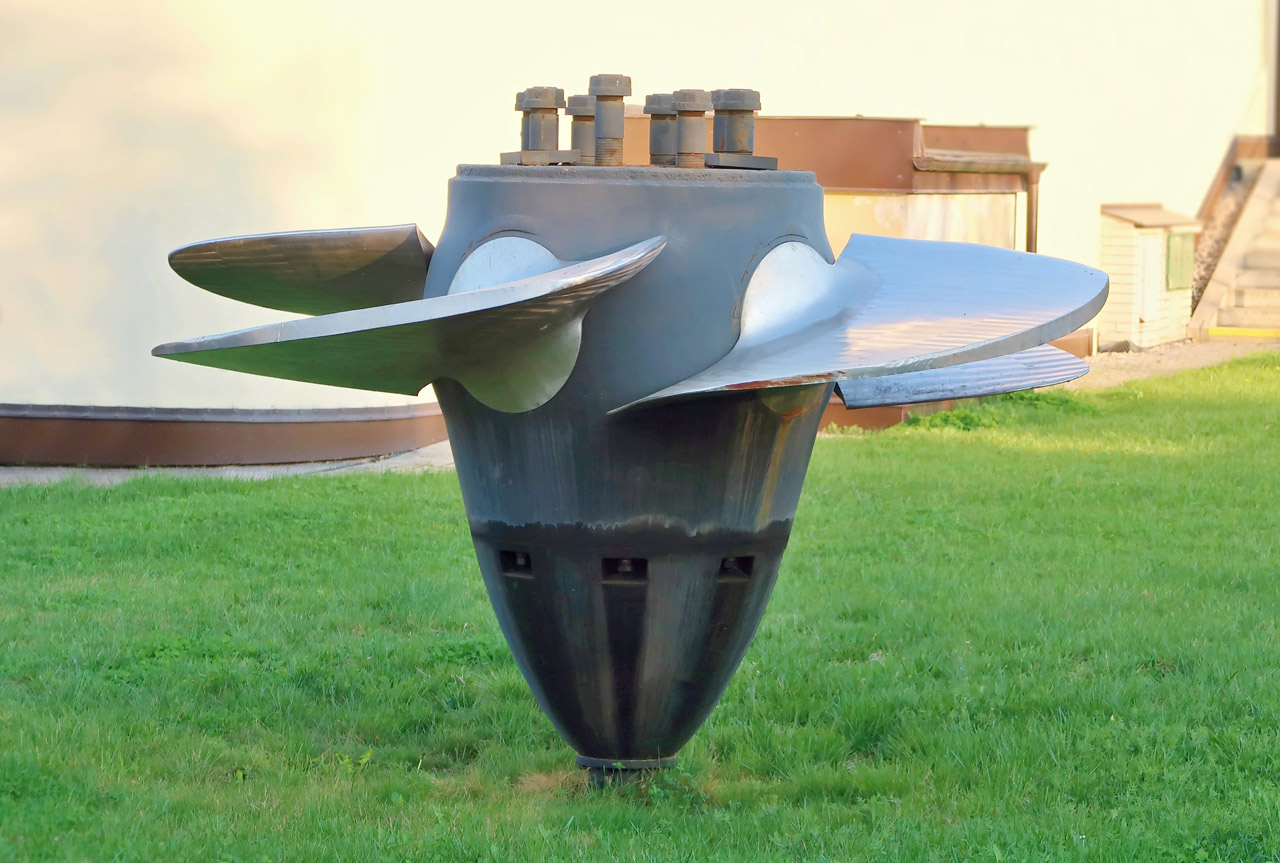
4 pictures
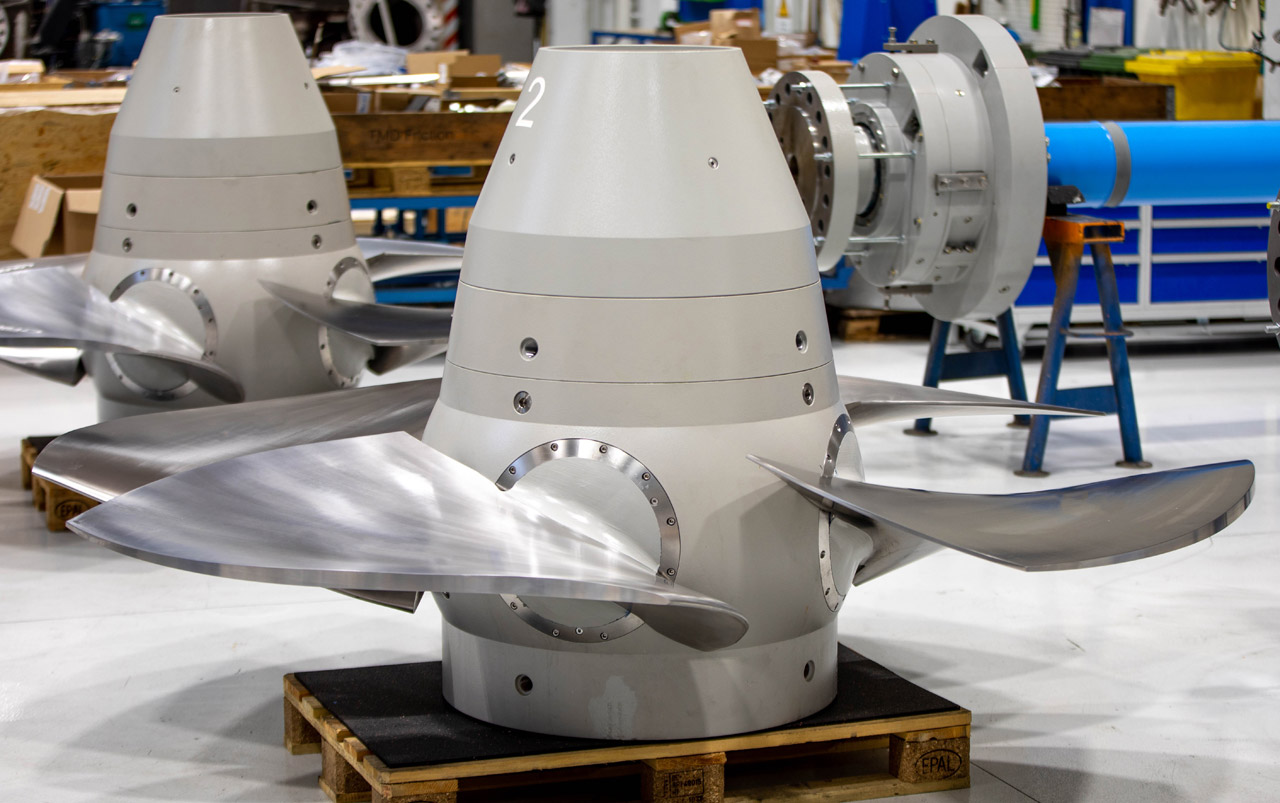
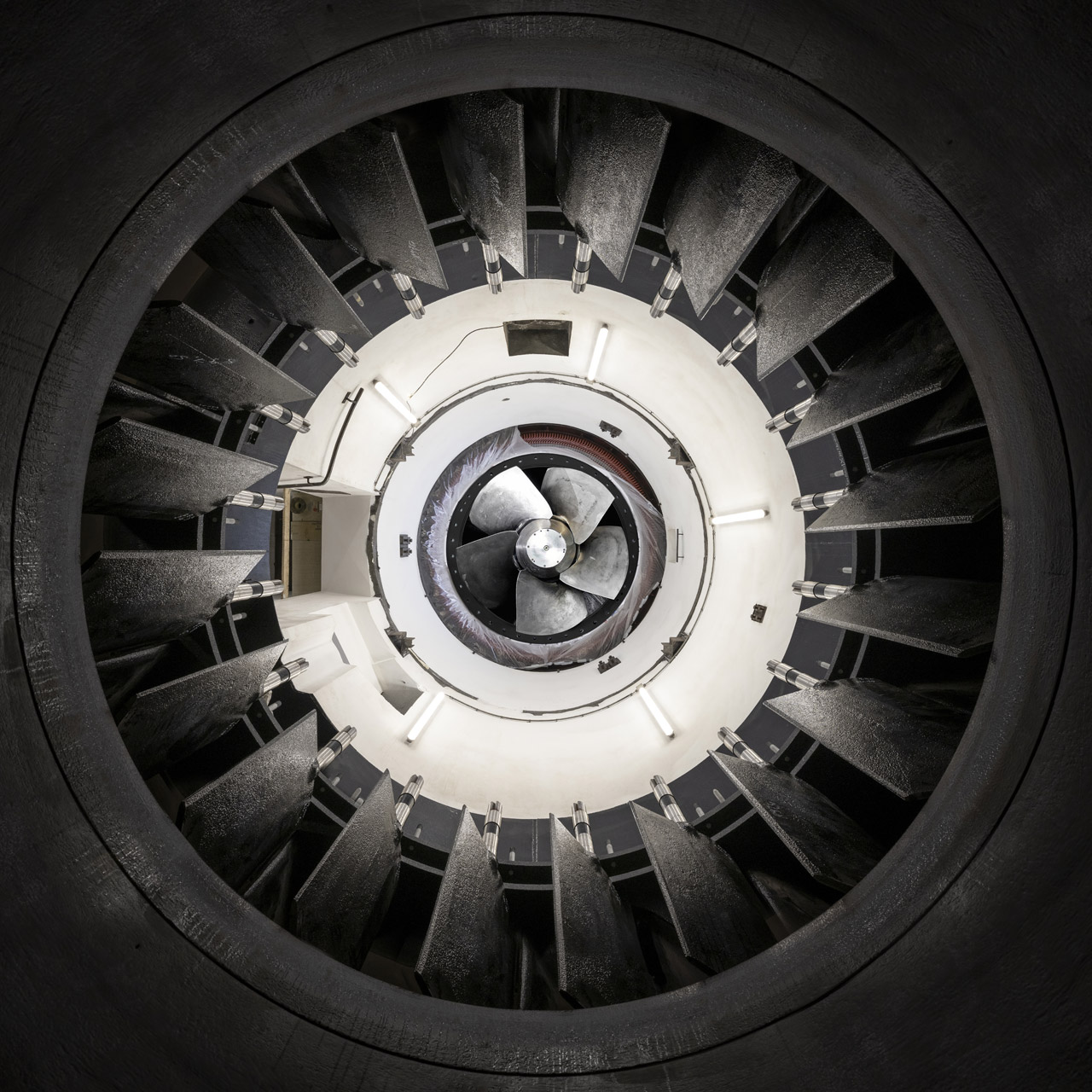
4 pictures
The Kaplan turbines at the Gabčíkovo hydroelectric power plant on the Danube are among the world’s largest in terms of flow rate, with each turbine capable of handling up to 636 m3/s at relatively low hydraulic heads.


Robie, your AI assistant